
- All
- Product Name
- Product Keyword
- Product Model
- Product Summary
- Product Description
- Multi Field Search
Views: 0 Author: Site Editor Publish Time: 2026-08-18 Origin: Site


Manufacturer marketing materials frequently highlight impressive specifications, promising up to 60 minutes of fade-free power on a single charge. Independent lab testing and real-world usage reveal a stark contrast to these claims. Buyers invest in premium hardware only to experience frustrating mid-clean power depletion, severe capacity degradation within the first 12 months, or unexpected warranty denials when the power unit fails.
The core problem stems from a fundamental misunderstanding of how lithium-ion technology operates under heavy load. Vacuuming a house requires significant sustained amperage, placing immense stress on internal cell chemistry. When a machine dies halfway through cleaning a living room, it disrupts household maintenance routines and forces you into extended waiting periods. Evaluating true cordless vacuum battery life requires separating the per-session runtime from the overall hardware lifespan. Establishing this framework allows you to look past inflated marketing metrics and make informed, data-driven purchasing decisions based on your specific floor plans and daily cleaning habits.
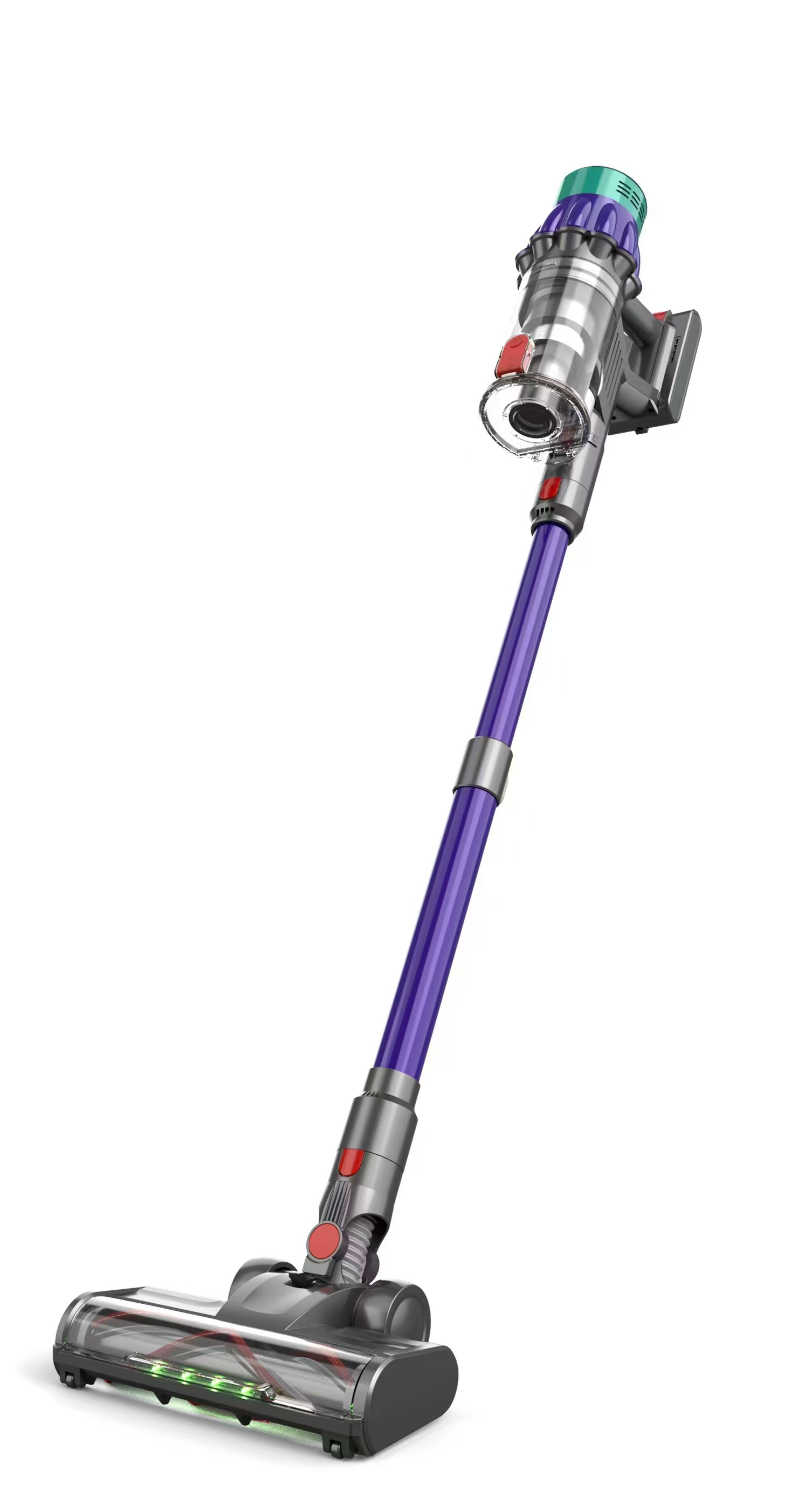
The "Max Mode" Penalty: Manufacturer runtime claims are almost exclusively based on the lowest suction setting without motorized attachments; using high/max suction typically reduces runtime to 8–15 minutes.
Average Lifespan Expectancy: A standard lithium-ion cordless vacuum battery will last between 2 to 5 years (approximately 300–500 charge cycles) before requiring replacement.
Runtime Translates to Square Footage: A realistic 20–30 minute battery yield typically covers 1,000 to 1,500 square feet of mixed-surface cleaning before requiring a recharge.
The Removable Battery Advantage: Prioritizing models with click-in, swappable batteries mitigates the risk of early hardware obsolescence and doubles cleaning capacity for larger floor plans.
Maintenance Dictates Degradation: Clogged filters and tangled brush rolls force the motor to draw more amperage, accelerating battery heat generation and long-term chemical degradation.
Table of Contents
To accurately evaluate performance, we must first clarify the dual definition of battery life. Consumers and manufacturers often use the term interchangeably to describe two entirely different metrics. Conflating these concepts leads to misaligned expectations and premature hardware replacement. Establishing accurate baseline expectations requires defining both the immediate operational window and the long-term viability of the power source. If you expect a machine to run for an hour every day for ten years, you will be severely disappointed by the physical limitations of current lithium-ion technology.
Per-session runtime defines the operational window available on a single, fully charged cycle. When manufacturers claim 40 to 60 minutes of runtime, this metric is almost universally recorded using a non-motorized crevice tool on the lowest possible suction setting. In a real-world, mixed-use environment involving motorized floorheads, transitions between hard floors and carpets, and occasional bursts of high suction, that baseline claim drops significantly. A premium machine advertised with a 60-minute runtime will typically deliver an average of 20 to 30 minutes of actual mixed-surface cleaning before the power cuts out.
We see this constantly in field testing. A user pulls the trigger, the digital motor spins up to 100,000 RPM, and the motorized brush roll engages. That combined electrical draw drains the cells rapidly. You have to plan your cleaning route based on this 20-minute reality, not the 60-minute marketing fantasy.
Overall hardware lifespan refers to the total functional duration of the battery pack before its charge capacity permanently degrades below 70% of its original rating. Lithium-ion cells degrade chemically over time, regardless of how carefully they are maintained. Depending on usage frequency, charging habits, and environmental factors, the total functional lifespan of a standard pack ranges from two to five years.
Once the capacity drops below that 70% threshold, the per-session runtime becomes so short that the vacuum is no longer practical for whole-house cleaning. A machine that originally ran for 25 minutes might only run for 8 minutes after three years of heavy use. At this stage, the hardware itself hasn't failed, but the chemical storage medium has reached the end of its usable life.
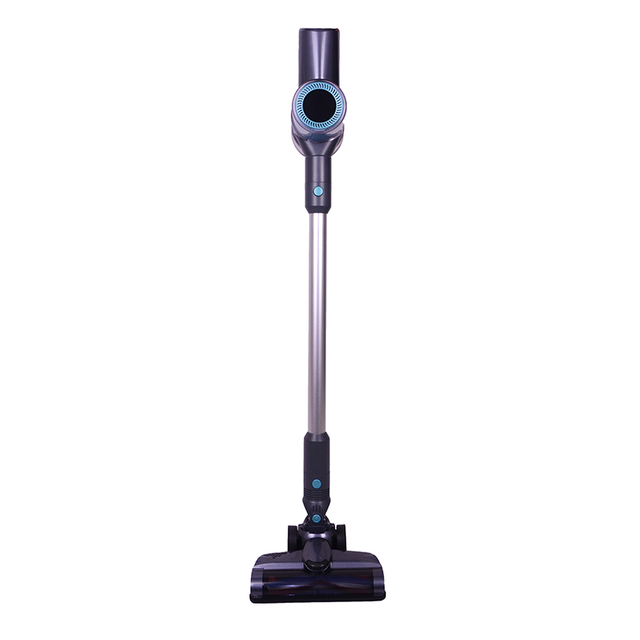
Understanding what actively drains capacity during a cleaning session helps you optimize your routines. The power draw is not static. It fluctuates wildly based on user inputs, surface resistance, and the specific attachments connected to the wand. Every time you transition from a smooth hardwood floor to a thick area rug, the internal sensors and motors adjust, altering the electrical demand on the cells.
Modern cordless vacuums typically feature three primary power settings: Eco, Auto, and Max/Boost. The Eco mode restricts the motor's amperage draw, maximizing runtime at the expense of deep-cleaning capability. Auto mode utilizes onboard sensors to dynamically adjust power based on floor resistance, offering a balanced power draw. Max mode forces the motor to operate at peak amperage.
While highly effective for pulling embedded dirt from rugs, Max mode drains the cells rapidly and generates substantial heat. Operating exclusively in Max mode reduces a 40-minute runtime to roughly 10 minutes. This setting should be strictly reserved for targeted spot-cleaning rather than whole-house vacuuming. If you try to vacuum your entire house on Max mode, the thermal sensors will likely shut the machine down to prevent the cells from melting before you even finish the first floor.
Suction Mode Impact on Runtime Expectations
Suction Mode | Average Runtime | Ideal Use Case | Battery Strain Level |
|---|---|---|---|
Eco / Low | 40 - 60 Minutes | Light surface dust on hard floors | Low |
Auto / Medium | 20 - 30 Minutes | Mixed surfaces, daily maintenance | Moderate |
Max / Boost | 8 - 15 Minutes | Embedded pet hair, deep pile carpets | High |
Attaching a motorized floorhead introduces a secondary power draw. The battery must simultaneously power the primary digital motor generating suction and the secondary motor spinning the brush roll. The type of flooring dictates the physical resistance applied to that brush roll.
Deep-Pile Carpet: Pushing a motorized head across a thick carpet forces the secondary motor to work harder to maintain its RPMs. This physical resistance translates directly into higher amperage draw, draining the battery faster.
Hardwood and Tile: Smooth floors offer minimal resistance. The secondary motor spins freely, drawing less power and extending the overall runtime.
Mini-Motorized Tools: Often used for upholstery or stairs, these tools have smaller motors but still draw more power than a standard, non-motorized crevice tool.
Time-based metrics can be abstract. Providing a practical benchmark helps you map runtime to your actual living spaces. A realistic 25-minute runtime typically allows a user to thoroughly clean a standard 1,200-square-foot layout. This assumes a moderate pace and a standard mix of hard floors and area rugs.
Homes with heavy carpeting or complex layouts with numerous obstacles will require more time, thereby reducing the total square footage covered per charge. If you live in a 2,500-square-foot home with wall-to-wall carpeting, a single battery will not complete the job. You will need to split the cleaning into two sessions or invest in a secondary power pack.
Chassis design directly impacts the physical size and weight of the power source. Stick vacuums are inherently top-heavy, placing the motor, dustbin, and battery near your wrist. To prevent wrist fatigue and maintain ergonomic balance, manufacturers must restrict the weight of the battery pack, which inherently limits its maximum capacity. You simply cannot put a massive, heavy battery on a stick vacuum without making it unusable.
Cordless uprights position the bulk of their weight near the floor. This lower center of gravity allows engineers to integrate much larger, heavier battery packs. These larger packs contain more individual lithium-ion cells, resulting in significantly longer runtimes without compromising user comfort. The trade-off is a bulkier machine that cannot easily reach under low furniture or clean ceilings.
Evaluating technical specifications provides a baseline for comparing different models. Voltage (V) dictates the potential power output available to the motor. A 25.2V system can generally drive a more powerful motor than a 21.6V system. Milliampere-hours (mAh) measure the total energy storage capacity. A 3000mAh pack holds more energy than a 2500mAh pack.
However, higher voltage motors consume energy faster. A high-voltage machine with a moderate mAh rating might have a shorter runtime than a low-voltage machine with the same mAh rating, though the former will deliver superior suction performance. When looking at specs, you have to balance the voltage required for deep cleaning against the mAh required to finish the job.

Premature failure is a primary source of consumer frustration. Understanding why lithium-ion cells fail early allows you to implement mitigation strategies and accurately assess the long-term viability of your hardware. Batteries do not last forever. They are chemical storage tanks that slowly lose their ability to hold a charge from the day they are manufactured.
The standard lifecycle of consumer-grade lithium-ion cells spans 300 to 500 full discharge and recharge cycles. A full cycle is defined as discharging from 100% down to 0%, followed by a complete recharge. Partial discharges count as fractions of a cycle. Once a pack surpasses this 300-500 cycle threshold, the internal chemical structure degrades, and the maximum charge capacity permanently drops.
Most premium vacuums use either 18650 or 21700 cylindrical cells wired in series. As these cells age, their internal resistance increases. This means they can store less energy and have a harder time delivering that energy to the motor. Daily use directly accelerates the progression toward this chemical limit. If you drain and charge the vacuum every single day, you will hit the 300-cycle mark in less than a year.
Estimated Battery Degradation Timeline
Usage Frequency | Estimated Cycles Per Year | Expected Lifespan (Years) | Degradation Rate |
|---|---|---|---|
Daily (Heavy Use) | 300 - 365 | 1 - 1.5 Years | Rapid |
3 Times a Week | 150 - 160 | 2 - 3 Years | Moderate |
Once a Week | 50 - 60 | 4 - 5+ Years | Slow |
Many users report complete failure in less than 12 months. This rapid degradation is rarely a manufacturing defect; it is usually the result of usage habits. Utilizing the vacuum daily for heavy-duty cleaning exclusively on the Max setting generates excessive heat and drains the pack rapidly. This forces you to recharge the machine constantly, rapidly exhausting the 300-cycle threshold. High-drain, high-frequency usage will easily destroy a standard lithium-ion pack within a single year.
Heat and deep discharging are the two primary enemies of battery health. Operating the vacuum until the motor completely stalls at 0% places immense stress on the cells. Repeated deep discharges can cause the voltage to drop below the minimum threshold required by the internal management system, permanently bricking the pack.
Furthermore, storing or operating the unit in high-temperature environments accelerates chemical breakdown. Heat increases internal resistance, permanently reducing the amount of energy the cells can store and deliver. Leaving your vacuum in a hot car after buying it, or storing it next to a radiator, bakes the cells and ruins their capacity before you even use them.
Identifying a failing power unit early prevents unexpected downtime. You do not want to find out the machine is dead right before hosting guests. Look for these verifiable indicators:
Sudden Power Cut-offs: The machine shuts down while the indicator still shows a 20% or 30% charge. This indicates cell imbalance.
Rapid Self-Discharge: The failure to hold a charge overnight. A pack left fully charged in the evening that drops to a medium charge by morning is experiencing severe internal self-discharge.
Diagnostic Codes: Flashing LED codes on the handle or dock often indicate permanent cell imbalance, thermal damage, or a tripped internal fuse.
Excessive Heat During Charging: If the pack becomes uncomfortably hot to the touch while sitting on the dock, the internal resistance is too high.
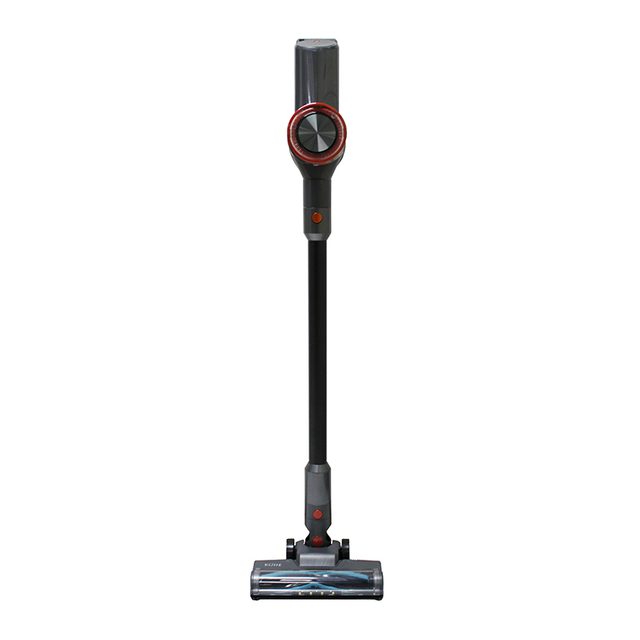
The current market offers two primary architectural approaches to power delivery. Choosing between an integrated system and a modular system dictates the long-term serviceability and immediate scalability of the machine. This is the most important hardware choice you will make during the purchasing process.
Integrated batteries are permanently housed within the vacuum's chassis. This design allows engineers to create a lighter, more streamlined, and visually cohesive product. The wiring is hidden, and the handle feels solid. However, the drawbacks become apparent when the cells inevitably degrade.
Replacing an integrated unit is a massive headache. It usually involves:
Finding the correct security Torx screwdrivers to open the casing.
Carefully prying apart plastic housing clips without snapping them.
Disconnecting fragile wiring harnesses from the main circuit board.
Sourcing a compatible internal pack that matches the exact dimensions.
Reassembling the unit and hoping you didn't pinch a wire or void the warranty.
Alternatively, you have to ship the entire vacuum to a service center, leaving you without a cleaning tool for weeks.
Removable batteries utilize a click-in mechanism, allowing you to detach the pack instantly. This architecture provides simple, tool-free replacement when the cells eventually reach the end of their lifespan. You push a button, slide the old one out, and slide the new one in. It takes three seconds.
More importantly, it allows for instant runtime scalability. You can keep a spare pack on the charger and swap it out mid-clean. The trade-off involves a slightly higher initial purchase price for the machine and a marginal increase in overall unit weight due to the required plastic housing and heavy-duty connection terminals.
For floor plans exceeding 1,500 square feet, a removable battery system shifts from a luxury feature to a mandatory requirement. Attempting to clean a large home with a single integrated battery often results in forced downtime. The machine dies halfway through the job, requiring a three-to-four-hour pause for a full recharge. Swappable packs eliminate this bottleneck, ensuring continuous operation regardless of the home's square footage. You simply swap the dead pack for a fresh one and keep moving.
Implementing actionable maintenance protocols extends the return on investment of the hardware. Proper handling delays chemical degradation and ensures the motor operates at peak efficiency. You cannot stop lithium-ion degradation entirely, but you can significantly slow it down by controlling the operating environment and reducing motor strain.
A common debate centers on whether to leave the vacuum docked continuously. Modern machines feature advanced Battery Management Systems (BMS) that automatically halt the charging process once the cells reach 100%. Leaving the unit on the dock is generally safe and ensures it is ready for use. The BMS will let the charge drop slightly, then top it off, preventing overcharging.
However, leaving a fully depleted battery uncharged for extended periods is highly destructive. If you run the machine until it dies, then throw it in a closet for a month before your next cleaning session, its internal voltage can drop below the recovery threshold. The BMS will refuse to charge it for safety reasons, rendering the pack permanently useless.
There is a direct correlation between machine maintenance and battery longevity. Clogged HEPA filters, overfilled dustbins, and brush rolls tangled with hair severely restrict airflow and increase physical resistance. When the system is choked, the digital motor senses the pressure drop and must work significantly harder to maintain suction, drawing higher amperage from the cells.
This increased power draw generates excess heat and drains the charge faster. To prevent this, follow a strict maintenance routine:
Empty the dustbin after every single use, never letting the debris reach the max fill line.
Wash or tap out the pre-motor filter once a month to ensure unrestricted airflow.
Inspect the motorized brush roll weekly. Use scissors to cut away tangled hair that binds the bearings.
Check the wand and floorhead neck for partial clogs that force the motor to overwork.
Environmental conditions during storage heavily influence chemical stability. Store the vacuum and its power unit in a climate-controlled environment at room temperature. Avoid mounting the docking station in uninsulated garages, sheds, or near heating vents.
Extreme cold temporarily increases internal resistance, drastically reducing runtime for that specific session. If you pull a freezing vacuum out of a winter garage, it might only run for five minutes. Extreme heat causes irreversible damage to the cell chemistry, permanently shrinking the total capacity. Keep the unit inside the house, away from direct sunlight.
Maintaining a cordless vacuum over a 5-to-10-year horizon requires assessing the financial realities of hardware replacement. Understanding warranty structures and replacement options prevents unexpected expenses. You need to plan for the inevitable replacement of the power unit.
Buyers must scrutinize the fine print regarding warranty coverage. Manufacturers frequently advertise a comprehensive 2-to-5-year warranty on the vacuum body and digital motor. However, the battery is almost universally classified as a consumable item, similar to a filter or a brush roll.
Consequently, the warranty covering the power unit is frequently limited to a single year. If the cells degrade naturally after 14 months, the manufacturer will likely deny a warranty claim, leaving you responsible for the replacement cost. Always read the warranty documentation specifically looking for the word "battery" or "consumables" before making a purchase.
When facing a replacement, users often compare Original Equipment Manufacturer (OEM) parts against cheaper third-party alternatives found on online marketplaces. Third-party options carry significant safety risks. Poorly manufactured lithium-ion cells lacking proper thermal management can overheat and, in severe cases, catch fire.
Furthermore, installing an aftermarket pack immediately voids any remaining warranty on the vacuum itself. OEM replacements guarantee compatibility, feature certified safety compliance (such as UL or CE ratings), and ensure the BMS communicates correctly with the digital motor. Do not risk a house fire to save a few dollars on an unverified power pack.
Deciding whether to spend money on a new battery or invest in a completely new vacuum system requires evaluating the overall condition of the machine. If the vacuum is four years old, the motor sounds rough, the floorhead wheels are worn, and the plastic chassis shows signs of fatigue, purchasing a replacement pack offers poor value. The machine will likely suffer a mechanical failure shortly after.
Conversely, if the chassis and motor are in pristine condition, you clean the filters regularly, and the only issue is reduced runtime, purchasing an OEM replacement pack is a highly cost-effective way to restore full functionality. Inspect the physical condition of the wand, the seals around the dustbin, and the bearings in the floorhead before ordering a replacement part.
Discount manufacturer maximum runtime claims by 40 to 50% to establish realistic expectations for mixed-surface cleaning in your home.
Prioritize vacuum models featuring removable, click-in batteries to prevent the entire unit from becoming obsolete when the initial cells degrade.
Assess your home's total square footage before purchasing to determine if you need to order a secondary power pack immediately.
Verify the availability, warranty terms, and cost of OEM replacement parts for your shortlisted models directly on the manufacturer's website.
Implement a strict monthly maintenance routine for filters and brush rolls to reduce motor strain and extend the lifespan of the lithium-ion cells.
Reliable Cleaning Starts with the Right Product Design
For buyers and business partners looking for reliable household cleaning solutions, Suzhou SNDVAC Electric Appliance Co.,Ltd is a professional small household appliance manufacturer founded in 2016 in Suzhou, China, specializing in vacuum cleaners and related accessories. With integrated capabilities covering research and development, manufacturing, sales, and after-sales service, SNDVAC supports customers with practical vacuum cleaner solutions backed by established production and quality-control capabilities.
A: Yes. Modern units use internal Battery Management Systems (BMS) that stop the electrical flow once cells reach 100% capacity. Leaving the unit on its charging dock prevents deep discharging and ensures it remains ready for use. Just keep the dock in a temperature-controlled room.
A: Max mode forces the digital motor to draw peak amperage to generate maximum suction. This massive power draw drains the lithium-ion cells rapidly and generates significant heat. Using Max mode can reduce a standard 40-minute runtime down to just 10 minutes. Reserve it for stubborn messes.
A: Coverage is usually limited. While the vacuum motor and chassis might carry a multi-year warranty, manufacturers classify the battery as a consumable item. Therefore, the battery warranty is frequently restricted to just one year. Always check the specific fine print regarding consumable parts.
A: The cost varies significantly depending on the brand, voltage, and capacity. Generally, purchasing an OEM replacement represents a fraction of the cost of buying a brand-new vacuum. It is a worthwhile investment if the rest of the machine is in excellent working condition.
A: Third-party batteries often use inferior cells and lack proper thermal management systems. While they may temporarily restore runtime, they pose serious safety risks, including overheating. Additionally, using an aftermarket battery will immediately void any remaining manufacturer warranty. OEM replacements are always recommended.
A: Under normal household use, a standard lithium-ion pack will last between two to five years, equating to roughly 300 to 500 full charge cycles. Frequent use of Max mode, storing the unit in hot environments, or letting it sit completely dead will accelerate degradation.


