
- All
- Product Name
- Product Keyword
- Product Model
- Product Summary
- Product Description
- Multi Field Search
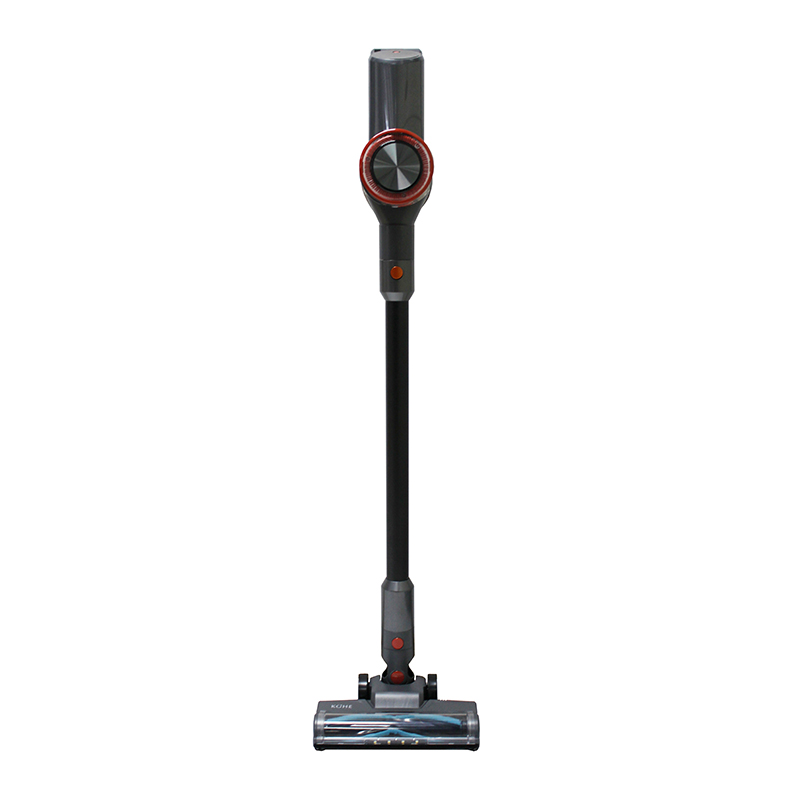


Vacuum battery capacity and runtime depend on more than mAh alone. This guide explains how voltage, watt-hours, suction modes, motorized attachments, floor resistance, temperature, and charge cycles affect real cleaning time. It compares robot, cordless stick, handheld, and car vacuum battery performance while showing how users can match battery specifications to floor area, carpet ratio, pet hair, and cleaning habits. Readers will also learn how removable batteries, proper charging, filter maintenance, and realistic runtime expectations can improve vacuum performance and extend battery service life.
READ MORE
Choosing between a 21.6V vs 25.9V vacuum requires more than comparing voltage alone. Battery capacity, motor efficiency, suction output, floor type, weight, ergonomics, and battery design all affect real-world performance. This guide explains how 6-cell and 7-cell cordless vacuum systems differ in power delivery, runtime, carpet cleaning, hard-floor use, maneuverability, and long-term ownership. It also shows why Watt-hours, Air Watts, brushless motor efficiency, and replaceable batteries can matter more than voltage, helping buyers choose a cordless vacuum that better matches their cleaning needs.
READ MORE The key brushless vacuum cleaner benefits include stronger and more stable suction, improved energy efficiency, longer cordless runtime, lighter weight, and reduced motor maintenance. This guide explains how brushless vacuum motors differ from traditional brushed designs and why electronic commutation improves performance, durability, and smart control. It also examines potential drawbacks such as higher upfront costs and more complex electronic repairs. By comparing performance, battery efficiency, lifespan, noise, air quality, and practical use cases, buyers can determine whether a brushless vacuum cleaner is the right choice for their household and cleaning needs.
READ MORE


