
- All
- Product Name
- Product Keyword
- Product Model
- Product Summary
- Product Description
- Multi Field Search
Views: 0 Author: Site Editor Publish Time: 2026-08-18 Origin: Site


The vacuum cleaner market has heavily transitioned toward brushless motor technology. Manufacturers market it as a premium, must-have feature for modern households. Consumers face a significant gap between traditional brushed vacuums and newer brushless models. Buyers need to determine if the performance, longevity, and efficiency gains justify the higher upfront investment. We evaluate vacuum motor technologies objectively based on engineering principles. This guide breaks down the tangible brushless vacuum cleaner benefits, inherent trade-offs, and specific use cases where upgrading to a brushless system makes sense. You will learn exactly how these motors work, why they outlast older designs, and whether your specific floor types and cleaning habits require the upgrade.
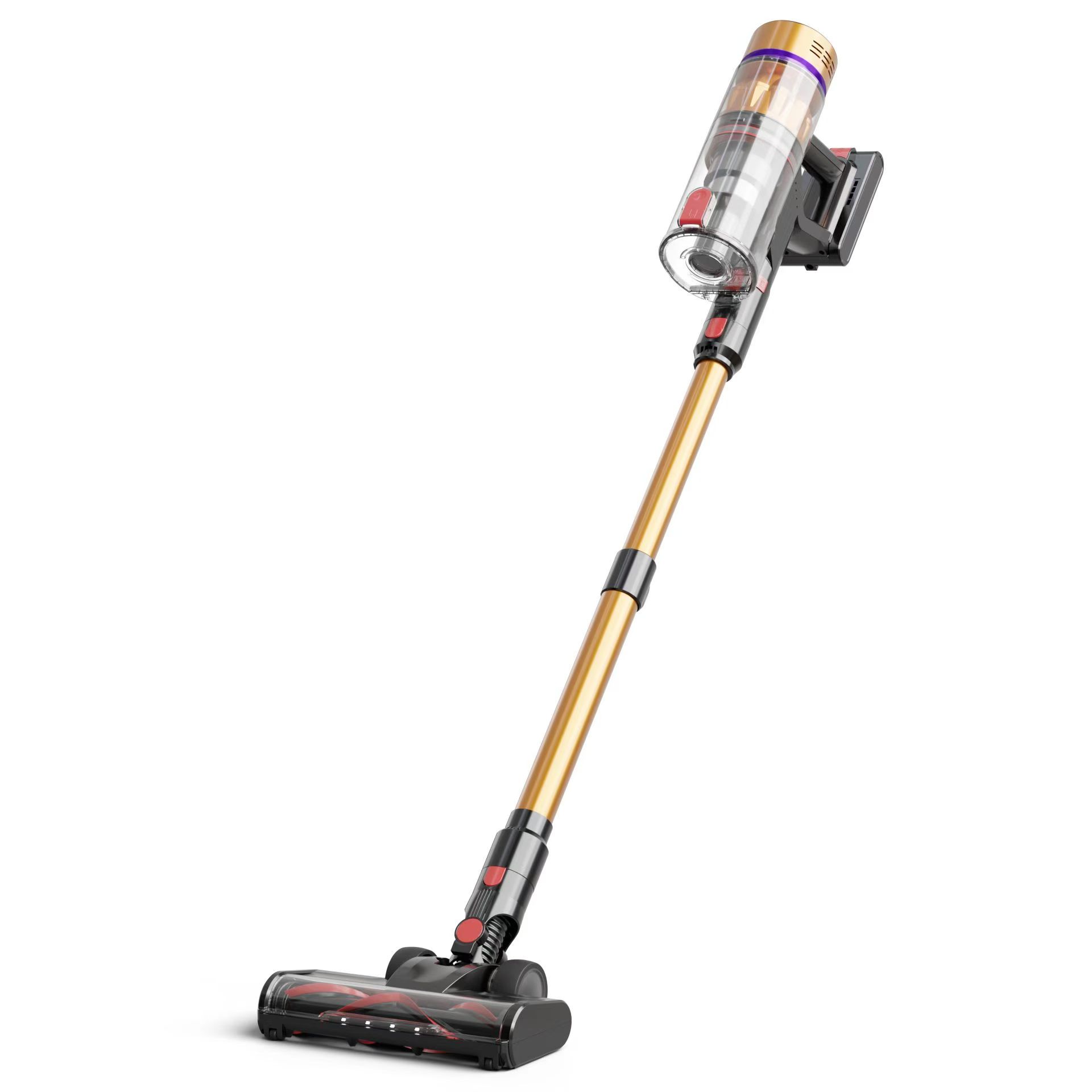
Mechanical Efficiency: Brushless motors eliminate physical friction, allowing for significantly higher RPMs and sustained, stable suction power.
Optimized Battery Life: The absence of friction-induced energy loss makes brushless technology critical for maximizing runtime in cordless stick and handheld vacuums.
Extended Lifespan & Lower Maintenance: By removing carbon brushes—the primary point of mechanical failure in traditional motors—brushless vacuums offer a substantially longer operational life with zero motor maintenance.
Ergonomics & Smart Integration: The compact nature of brushless motors reduces vacuum weight, while their electronic controllers enable smart features like automatic suction adjustment.
The Cost-to-Value Reality: While the initial purchase price is higher, the long-term value often favors brushless models due to delayed replacement cycles and consistent performance degradation curves.
Table of Contents
Traditional vacuum motors rely on a mechanical system to generate rotation. Inside the motor housing, stationary carbon blocks—known as brushes—physically press against a spinning cylinder called a commutator. This physical contact transmits electrical current to the copper windings on the rotor. The current creates a magnetic field that forces the motor to spin. This design has powered household appliances for decades due to its simplicity and straightforward manufacturing process.
This mechanical commutation introduces inherent flaws. The continuous physical friction between the carbon brushes and the rapidly spinning commutator generates substantial heat. This friction acts as a literal drag on the motor, limiting maximum rotational speed and wasting electrical energy. Over time, the physical scraping causes the carbon brushes to wear down. They eventually require replacement or result in complete motor failure. This grinding action produces microscopic carbon dust, which contaminates the internal components of the vacuum and degrades overall efficiency.
Because of these physical limitations, brushed motors are generally heavier, bulkier, and capped at lower maximum speeds. Their efficiency typically hovers around lower percentages. A significant portion of the electrical energy drawn from the wall or battery is lost as heat rather than converted into suction power. When you open up an older vacuum that has lost suction, you often find the commutator heavily scored and the brushes worn down to the springs.
Brushless technology fundamentally changes how electrical current is managed within the motor. Instead of relying on physical carbon brushes to transfer power, brushless motors utilize electronic commutation. A sophisticated circuit board—often an Electronic Speed Controller (ESC)—rapidly alternates the electrical current in the stationary coils (the stator). This creates a rotating magnetic field that pulls the permanent magnets on the rotor along with it.
The most significant aspect of this design is the complete removal of physical contact points. The rotor spins freely within the magnetic field, suspended by precision bearings. Without the mechanical drag of carbon brushes, the motor operates with near-zero internal friction. This allows the rotor to achieve extraordinary speeds without overheating or destroying itself through physical wear. You get a motor that runs cooler, faster, and longer.
This electronic precision serves as the foundation for modern vacuum performance. By shifting the control mechanism from a physical block of carbon to a digital microprocessor, manufacturers can precisely dictate motor speed, monitor torque, and optimize energy consumption in real-time. This digital foundation enables the advanced integrations found in premium floor care appliances today.
Vacuum Motor Technology Comparison
Feature | Traditional Brushed Motor | Brushless Motor |
|---|---|---|
Commutation Method | Mechanical (Carbon Brushes) | Electronic (Circuit Board/ESC) |
Internal Friction | High | Near Zero |
Maximum RPM | Typically 20,000 - 40,000 | Often 100,000+ |
Maintenance | Brush replacement required | Zero motor maintenance |
Energy Efficiency | Lower (Heat loss) | High (Maximized kinetic output) |
Weight Profile | Heavy and bulky | Compact and lightweight |
The frictionless environment inside a brushless motor unlocks massive performance ceilings. Traditional motors struggle to exceed 40,000 RPMs before the friction generates catastrophic heat and physical breakdown. Brushless motors routinely exceed 100,000 RPMs, with some premium models pushing past 125,000 RPMs. This exponential increase in rotational speed translates directly into higher airflow and stronger static pressure. The vacuum can lift heavy debris and extract fine dust embedded deep within carpet fibers.
Beyond peak power, brushless technology delivers unmatched suction stability. Traditional brushed motors suffer from voltage sag. As the battery depletes or the dustbin fills, the mechanical motor struggles to maintain its speed, resulting in a noticeable drop in suction. Brushless motors, governed by electronic controllers, actively monitor resistance and adjust power delivery to maintain consistent torque. The vacuum cleans just as effectively on the last minute of battery life as it does on the first.
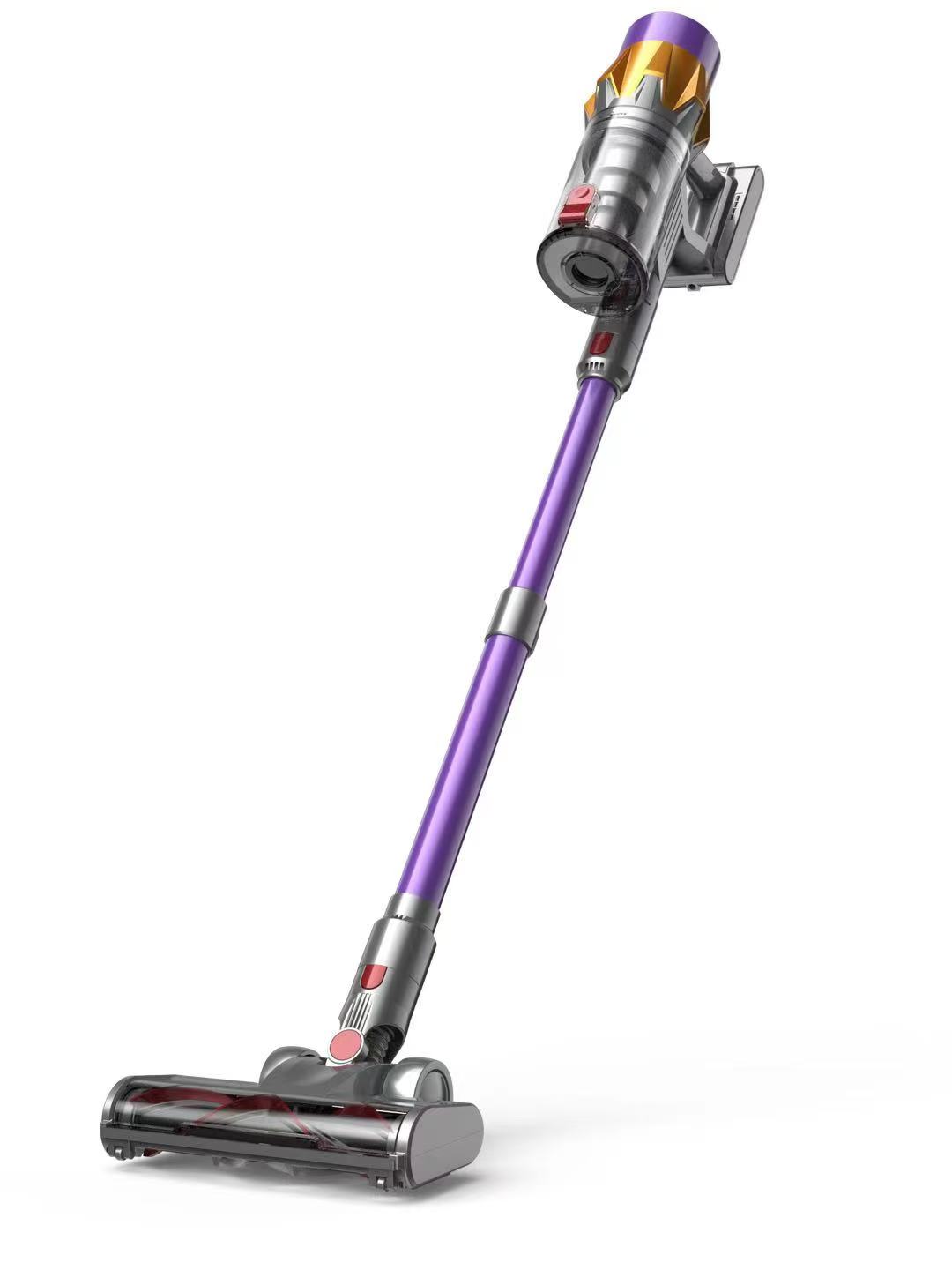
Energy efficiency dictates the usability of cordless vacuums. Every watt of power drawn from the lithium-ion battery must be utilized effectively. Brushless motors excel here by converting a significantly higher percentage of electrical energy into kinetic energy. Because there is no physical friction to overcome, vastly less energy is wasted as heat.
This high energy efficiency ratio directly translates to longer runtimes per charge. A cordless vacuum equipped with a brushless motor can often run 30% to 50% longer on the same battery capacity compared to a brushed equivalent. For users tackling whole-house cleaning, this efficiency makes brushless technology the standard. It ensures the device does not die halfway through vacuuming the living room.
Physical footprint matters immensely in floor care design. The absence of heavy commutators, spring-loaded brush assemblies, and bulky cooling fans allows brushless motors to be incredibly compact. Engineers shrink the motor down to the size of a soda can or smaller without sacrificing power output. This changes how the entire machine is built.
This reduction in mass directly impacts user ergonomics. In stick and handheld vacuums, the motor is typically positioned near the handle. A lighter motor shifts the center of gravity, reducing the moment of inertia. Users experience significantly less wrist fatigue during extended cleaning sessions. Maneuvering around furniture, lifting the vacuum to clean ceiling fans, or carrying the unit up a flight of stairs becomes effortless due to this optimized weight distribution.
Because brushless motors require an Electronic Control Unit (ECU) to operate, they inherently possess the hardware necessary for smart integrations. The microprocessor controlling the magnetic fields can also process data from external sensors. This allows the vacuum to feature automatic suction scaling based on real-time environmental feedback.
The sequence of operations for smart suction typically follows these steps:
A piezo sensor or resistance monitor detects the floor type or the volume of incoming dust particles.
The sensor sends a signal to the ECU indicating increased resistance (e.g., moving from hardwood to thick carpet).
The ECU instantly commands the brushless motor to increase RPMs, delivering a surge of suction.
Once the sensor detects a return to hard floors or a drop in dust volume, the ECU dials down the motor speed to conserve battery life.
This digital integration often extends to real-time LCD displays. These screens provide users with accurate remaining runtime down to the second, maintenance alerts, and active cleaning modes.
Indoor air quality is a major consideration for modern appliances. Traditional brushed motors actively generate internal pollution. As the carbon brushes grind against the commutator, they slowly disintegrate. This releases microscopic carbon dust into the motor housing. While filters catch much of this, some particulate matter inevitably escapes through the exhaust, potentially aggravating allergies.
Brushless motors eliminate this internal pollutant entirely. Because there is no physical degradation of carbon components, the motor operates cleanly. This preserves the integrity of the vacuum's HEPA filtration system. The air expelled from the machine remains genuinely clean. For households focused on minimizing indoor allergens, this frictionless design provides a massive advantage.
Mechanical wear dictates the lifespan of traditional vacuums. Once the carbon brushes wear down to their housing, the motor dies. While brushes can theoretically be replaced, modern consumer vacuums are rarely designed for easy disassembly. This often results in the entire unit being discarded.
Brushless motors remove this primary wear-and-tear component. The only moving part is the rotor assembly, which spins on heavy-duty bearings. The motor itself is virtually immune to standard mechanical degradation. In most realistic scenarios, a brushless motor will easily outlast the vacuum's lithium-ion battery pack, the plastic chassis, and the motorized floor attachments. This durability ensures consistent performance over a much longer operational window.

Acoustics play a major role in user satisfaction. The physical scraping of carbon brushes creates a distinct, high-pitched mechanical whining and grinding noise. By removing this friction, brushless motors operate significantly quieter. While the rush of air still generates sound, the harsh mechanical frequencies are eliminated. You get a smoother, less intrusive acoustic profile.
Thermally, the lack of friction means the motor runs substantially cooler. Heat destroys electronics and degrades plastics. By generating less internal heat, brushless motors protect surrounding plastic housings from thermal warping. They also shield internal battery cells from heat degradation, further contributing to the overall longevity of the appliance.
The primary barrier to entry for brushless technology is the initial retail availability and purchase threshold. Manufacturing precision electronic controllers, winding stators for high-RPM operation, and utilizing rare-earth magnets inherently costs more than stamping out legacy brushed motors. Brushless vacuums command a premium on store shelves.
Evaluating this through the lens of long-term value reveals a different reality. A cheaper brushed vacuum often suffers from motor burnout or severe performance degradation within a few years of regular use. Purchasing a premium brushless model extends the replacement cycle significantly. When factoring in the delayed need for replacement, the sustained suction power that prevents premature carpet wear, and the elimination of motor maintenance, the long-term value heavily favors the brushless investment.
The shift from mechanical simplicity to electronic complexity introduces specific repairability trade-offs. Brushed motors fail mechanically. In some industrial or legacy models, replacing a worn carbon brush is a simple, inexpensive fix. Brushless systems rely entirely on sophisticated electronic control units.
If a brushless motor fails, it is rarely a mechanical issue. It is usually a failure on the motherboard, a blown capacitor, or a malfunctioning Hall effect sensor. These electronic failures cannot be patched with simple tools. Repairing a brushless vacuum typically requires replacing the entire motor assembly or the main circuit board. Out of warranty, these electronic repairs can be costly. Robust manufacturer warranties become a major factor when selecting a brushless model.
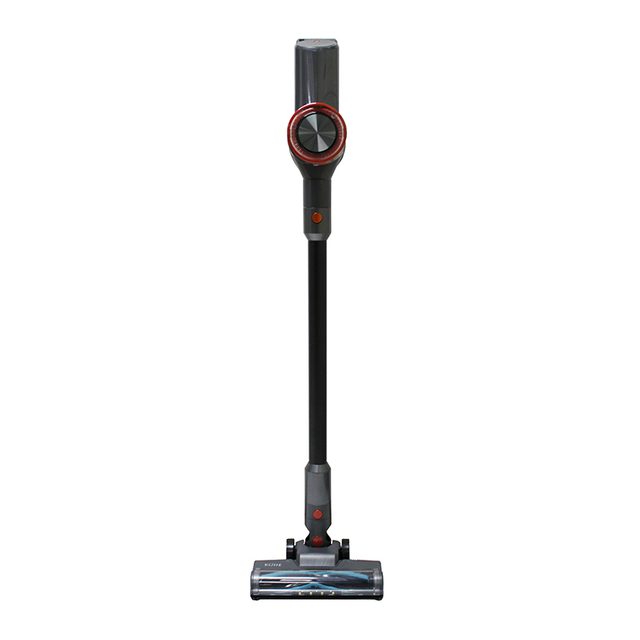
Homes with multiple occupants, heavy foot traffic, and shedding pets demand sustained, high-torque suction. Pet hair weaves itself tightly into carpet fibers, requiring immense static pressure to extract. Traditional brushed motors often bog down under this heavy load, losing RPMs and failing to pull the hair free. Brushless vacuums maintain their high-speed rotation even when the floorhead is pressed firmly into thick rugs. They ensure deep extraction without straining the motor.
For individuals with asthma or severe dust allergies, a vacuum must not contribute to indoor air pollution. The zero-carbon-dust emission profile of brushless motors makes them the optimal choice. When paired with a sealed system and true HEPA filtration, brushless vacuums ensure that microscopic allergens, dander, and dust mites are trapped permanently. They are not circulated back into the breathing zone alongside motor exhaust.
If you are purchasing a battery-operated vacuum, brushless technology is non-negotiable. The strict limitations of lithium-ion battery capacities mean that energy cannot be wasted on mechanical friction. To achieve the necessary suction power while maintaining a lightweight, ergonomic form factor that can actually clean a whole room on a single charge, the efficiency of a brushless motor is an absolute requirement.
Despite the advantages of brushless technology, traditional brushed motors remain viable in specific scenarios. Budget-friendly corded uprights, where weight and battery life are irrelevant, still utilize brushed motors effectively. Secondary vacuums used exclusively for light hard-floor sweeping, or garage shop vacuums where sheer size and corded power overcome efficiency deficits, do not necessarily require the premium upgrade to a brushless system.
Audit your primary floor types to determine your suction needs; homes with thick carpets and pets require the sustained torque of a brushless system.
Prioritize brushless motors exclusively when shopping for battery-powered stick or handheld vacuums to guarantee viable runtimes and adequate suction.
Compare specific brushless models based on battery voltage, bin capacity, smart sensor integration, and included motorized attachments.
Review the warranty lengths offered by different manufacturers to mitigate the potential costs of complex electronic repairs down the line.
For buyers and OEM partners looking for reliable vacuum cleaner solutions, Suzhou SNDVAC Electric Appliance Co.,Ltd is a professional household appliance manufacturer founded in 2016 in Suzhou, China, specializing in vacuum cleaners and related accessories. With capabilities covering R&D, manufacturing, sales, and after-sales service, the company supports customers with integrated vacuum cleaner product solutions for different cleaning applications.
A: A brushless vacuum utilizes a motor with electronic controllers instead of physical carbon brushes to generate rotation. This design results in zero mechanical friction, significantly higher energy efficiency, and a more compact footprint compared to traditional models.
A: Yes. The frictionless design allows the motor to spin at much higher RPMs, often exceeding 100,000 RPMs. This generates significantly stronger and more stable suction power, maintaining high performance even as the battery drains or the dustbin fills.
A: Yes. Because they lack heavy commutators, physical brushes, and large cooling assemblies, brushless motors are much more compact and lightweight. This significantly improves the ergonomics and maneuverability, especially in cordless stick vacuums.
A: Brushless motors offer exceptional longevity because they lack parts that intentionally wear down through friction. In most consumer vacuums, the brushless motor will easily outlast the lithium-ion battery pack and the physical plastic chassis of the machine.
A: Yes. Removing the physical scraping of carbon brushes against a commutator eliminates the harsh, high-pitched mechanical grinding noises associated with traditional vacuums. This results in a smoother and generally quieter acoustic profile.
A: No. The motor itself requires zero maintenance because there are no carbon brushes to replace. Users must still maintain the vacuum's filters and brush rolls to ensure the motor receives adequate airflow and does not overheat.


