
- All
- Product Name
- Product Keyword
- Product Model
- Product Summary
- Product Description
- Multi Field Search
Views: 0 Author: Site Editor Publish Time: 2025-10-13 Origin: Site


Have you noticed your Dyson losing suction? Clean air and strong performance rely on well-kept dyson vacuum cleaner filters. These include pre-motor, HEPA, and post-motor designs. Each plays a role in blocking dust, allergens, and debris. In this article, you'll learn how they differ and which filter matters most for your needs.
Every Dyson vacuum depends on filters to maintain suction and protect its motor. Dyson vacuum cleaner filters stop dust, dirt, and allergens from entering sensitive parts of the machine. When filters are clogged or damaged, suction weakens and air quality drops. A clean filter ensures debris stays locked inside instead of circulating back into the air. This is especially important in homes where pets shed hair or people suffer from allergies.
Dyson designs its vacuums around multi-stage filtration. Air passes through a pre-motor filter that traps large dust and debris before it reaches the motor. Next, a HEPA filter captures microscopic allergens like pollen or dander, preventing them from being released. Finally, the post-motor filter acts as the last safeguard, ensuring the air that exits is clean and fresh. Together, these filters protect the machine and improve indoor air quality.
Filter Type | Main Function | Common Placement | Benefit |
Pre-Motor Filter | Traps larger dust and debris | Before the motor | Protects motor, maintains suction |
HEPA Filter | Captures microscopic allergens | Middle or final stage | Improves air quality, allergy relief |
Post-Motor Filter | Blocks fine dust before exhaust | After the motor | Ensures cleaner exhaust air |
One common myth is that Dyson filters last forever without maintenance. While some are labeled “lifetime,” they still need regular cleaning to work effectively. Another misconception is that all Dyson filters are washable. In fact, pre-motor filters are often washable, but many post-motor or HEPA filters are replace-only. Washing the wrong type can reduce filtration and damage the vacuum. Always check your Dyson model's manual to confirm care instructions.
Note: Many businesses buying Dyson vacuums for offices overlook filter care, but clogged filters raise maintenance costs and reduce cleaning efficiency.
Pre-motor filters are the first defense in dyson vacuum cleaner filters. They trap larger particles such as hair, dust, and crumbs before air moves toward the motor. By blocking these bigger pieces, the filter reduces the risk of clogging and keeps airflow smooth. Without this stage, debris could reach the motor and shorten its life span.
The main job of a pre-motor filter is protection. It shields the motor from damage caused by dirt buildup. A clean pre-motor filter also helps maintain strong suction power. When airflow is unrestricted, the vacuum picks up dirt more effectively on carpets and hard floors. This balance between protection and performance is why Dyson includes them in nearly every model. For households with pets, pre-motor filters are especially valuable since they catch fur before it clogs deeper components.
Key Benefits Overview:
● Protects the motor from heavy debris
● Maintains consistent suction strength
● Extends overall machine lifespan
● Reduces strain on secondary filters
Keeping pre-motor filters clean is simple but crucial. Dyson generally recommends washing them under cold water every 1–3 months. Make sure the filter dries fully for at least 24 hours before use. Signs of a clogged filter include weaker suction, unusual noises, or dust leaking back out. Ignoring these signs may stress the motor and lower efficiency. Replacement is rarely needed if regular cleaning is done, but over time, even washable filters may wear out.
HEPA stands for High-Efficiency Particulate Air. These filters capture at least 99.97% of particles as small as 0.3 microns. Dyson adopted HEPA technology in many models to meet strict indoor air quality standards. In dyson vacuum cleaner filters, HEPA units act as the final safeguard, preventing tiny allergens from escaping. They are especially important in models designed for allergy-friendly cleaning.
HEPA filters remove pollen, mold spores, pet dander, and fine dust. This helps households reduce allergy triggers and asthma flare-ups. Clean air also supports better workplace environments by limiting airborne particles. For Dyson users, HEPA filtration is more than a technical feature—it is a health benefit.
Why HEPA Filters Improve Living Spaces:
● Traps fine particles invisible to the eye
● Reduces odors caused by dust buildup
● Lowers risk of allergy symptoms indoors
Not all Dyson HEPA filters are washable. Washable versions can be rinsed under cold water and reused, but they must dry for 24 hours before reinstallation. Replace-only filters lose efficiency over time and should be swapped out every 6–12 months. Washing a non-washable HEPA filter damages the fiber structure, reducing its ability to trap fine dust. Always check the Dyson manual to identify the right care method.
Filter Type | Care Method | Lifespan Estimate | Notes |
Washable HEPA | Rinse in cold water | 1–2 years | Must dry fully before reuse |
Replace-Only HEPA | Replace on schedule | 6–12 months | Do not rinse, discard when clogged |
Dyson's sealed filtration system ensures all air passes through the HEPA filter before release. Rubber gaskets and tight housings prevent leakage. Without a sealed design, unfiltered air could bypass the filter and re-enter the room. This system makes Dyson stand out, especially for users concerned about allergens and pollutants.
HEPA filters cost more than pre-motor units, but they last longer and provide stronger health benefits. Washable models save money long-term, while replace-only filters increase yearly costs. A business that runs multiple Dyson units should factor replacement schedules into its maintenance budget. Ignoring HEPA upkeep may save money upfront but reduces suction efficiency and air quality over time.
Common signs include reduced suction, strange odors during use, or worsening allergy symptoms indoors. Dust escaping from the exhaust is another red flag. Replacing or cleaning the HEPA filter restores suction and protects air quality.
HEPA filters are crucial for households with pets, children, or allergy sufferers. They also suit offices, clinics, or schools where air quality matters. For environments with heavy dust, such as workshops, regular filter care becomes even more essential.
Post-motor filters act as the final layer in dyson vacuum cleaner filters. After air passes through the pre-motor and HEPA stages, it reaches the post-motor filter. This filter captures ultra-fine particles that may escape earlier stages. Its role is simple but critical: ensure the exhaust air leaving the vacuum is as clean as possible.
A clean exhaust means fewer allergens, odors, and dust particles released back into the room. Post-motor filters are especially valuable in homes where allergy relief is a priority. Without them, microscopic debris could bypass the system and compromise indoor air quality. For workplaces, post-motor filters also contribute to healthier environments by reducing airborne contaminants.
Main Benefits of Post-Motor Filters:
● Ensure exhaust air is safe to breathe
● Capture fine dust missed by HEPA filters
● Support Dyson's whole-machine filtration design
Not all post-motor filters are designed the same way. Some are washable and can be rinsed under cold water, similar to pre-motor filters. These offer a cost-effective, reusable solution if maintained regularly. Others are replace-only, built from delicate materials that lose efficiency once saturated. For these, replacement every 6–12 months is recommended depending on usage.
Each stage in dyson vacuum cleaner filters serves a unique purpose. Pre-motor filters stop large debris before it damages the motor. HEPA filters capture microscopic allergens, improving indoor air quality. Post-motor filters polish the exhaust air, making sure nothing harmful escapes. When used together, these filters create a layered system that balances protection, health, and performance.
Filter Type | Main Function | Best For |
Pre-Motor | Captures large dust and debris | Motor protection, suction support |
HEPA | Traps microscopic allergens | Allergy relief, air quality |
Post-Motor | Cleans air before exhaust release | Fresh indoor environment |
The pre-motor filter has the greatest impact on suction. If it clogs, airflow drops quickly, making cleaning less efficient. HEPA filters influence suction too, but usually at a slower pace since they target finer particles. Post-motor filters rarely affect suction directly but ensure cleaner airflow.
HEPA filters are the strongest factor in air quality improvement. They trap up to 99.97% of fine dust, pollen, and dander. Post-motor filters enhance this by preventing any leakage into the room. Pre-motor filters play only a minor role here since their focus is larger debris.
Air Quality Impact Ranking:
1. HEPA filter – captures allergens and fine dust
2. Post-motor filter – ensures exhaust air is clean
3. Pre-motor filter – minimal impact on allergen control
Pre-motor filters are the easiest to maintain. They are washable and often last years with regular cleaning. HEPA filters are more costly, especially replace-only models. Post-motor filters fall in between—some are washable, others need periodic replacement. Businesses or households with multiple Dyson units should track schedules to avoid sudden performance loss.
Filter Type | Difficulty | Cost Level | Notes |
Pre-Motor | Easy | Low | Washable, long-lasting |
HEPA | Medium | High | Replace or wash, model-specific |
Post-Motor | Medium | Moderate | Mix of washable and replace-only |
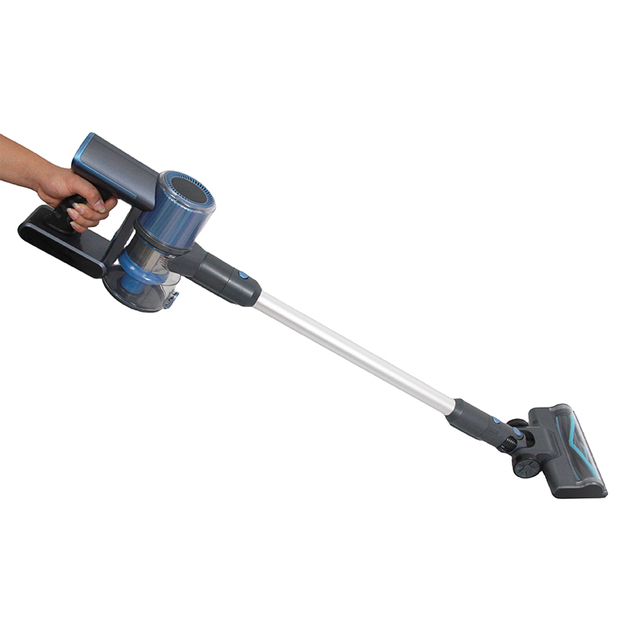
Genuine dyson vacuum cleaner filters are engineered to fit each model precisely. This ensures no gaps where dust can bypass filtration. They also preserve warranty coverage since Dyson supports only original parts. Another advantage is consistent quality—airflow resistance, material strength, and filtration standards are tested for long-term use. Genuine filters often include improved seals that maximize whole-machine performance.
Why Genuine Filters Stand Out:
● Perfect fit for Dyson models
● Backed by manufacturer warranty
● Reliable airflow and suction retention
● High consistency in quality control
Compatible filters can be a smart option if sourced from trusted suppliers. They offer cost savings, sometimes 30–50% less than originals. For homes with multiple Dyson units or businesses managing a fleet, compatible filters reduce operating costs. A well-made compatible filter can perform close to genuine, provided it matches Dyson specifications. However, buyers must confirm the supplier’s credibility and check customer feedback.
Situations Where Compatible Filters Work Well:
● Budget-conscious households
● Offices needing bulk replacements
● Vacuums used for light cleaning tasks
Not all compatible filters are equal. Cheap or poorly made filters may have loose seals, weak materials, or incorrect sizing. These issues reduce suction, shorten motor life, and compromise indoor air quality. In some cases, low-quality filters shed fibers or fail early, creating hidden costs. Choosing the wrong replacement also risks voiding Dyson's warranty.
Risks of Poor-Quality Filters:
● Dust leakage into the air
● Reduced suction performance
● Higher long-term maintenance costs
● Possible vacuum damage
Dyson designs most of its vacuums with washable filters. The company recommends rinsing dyson vacuum cleaner filters once a month under cold water. Cordless models like the V8, V10, and V11 often use washable pre-motor filters, while some uprights include washable HEPA filters. Other units, particularly those with post-motor HEPA, may require replacement every 6–12 months. Always check your model's manual to confirm the schedule.
General Dyson Filter Care Guidelines:
● Wash pre-motor filters monthly
● Wash or replace HEPA filters every 6–12 months
● Replace post-motor filters if non-washable
The lifespan of Dyson filters varies based on how the vacuum is used. Homes with pets generate fur and dander that clog filters faster. Large households with daily cleaning also wear filters out sooner. Fine dust from construction or frequent carpet cleaning adds extra strain. Smaller apartments or low-traffic homes, on the other hand, may go longer between cleanings or replacements.
Influencing Factors:
● Pet hair and dander
● Square footage of the home
● Frequency of vacuuming
● Type of flooring and dust levels
Even with a schedule, real-world conditions matter. If suction feels weaker, the filter may be clogged. Dust leaking back into the air is another red flag. Strange or musty odors often signal a filter that is too dirty or damp. Replacing or washing the filter restores performance and air quality.
Signs of Filter Problems:
● Reduced suction power
● Visible dust escaping exhaust
● Strange odors during operation
Proper cleaning keeps dyson vacuum cleaner filters effective and extends their lifespan. Always rinse filters in cold water without detergents or chemicals. Gently squeeze out excess water but avoid twisting, which can damage fibers. Dyson recommends cleaning once a month for most models, or more often in dusty homes. Following these steps prevents blockages and helps maintain strong suction.
Washing Process Overview:
1. Remove filter from the vacuum.
2. Rinse under cold running water.
3. Squeeze lightly to remove dirt.
4. Repeat until water runs clear.
5. Shake off excess moisture.
Never return a damp filter to the vacuum. Moisture can lead to mold growth or motor failure. Place filters in a dry, well-ventilated space for at least 24 hours. Avoid direct sunlight, ovens, or hairdryers, as heat may warp the material. For thicker HEPA filters, drying may take longer. A fully dry filter ensures safe operation and consistent airflow.
Store spare filters in clean, sealed bags to protect them from dust or humidity. When reinstalling, check for a snug fit to prevent leaks. Handle filters gently—tears or dents can lower efficiency. Businesses managing multiple Dyson units should keep labeled storage bins to track filter types and usage cycles. Good handling habits reduce premature replacements and keep air quality high.
Pre-motor, HEPA, and post-motor filters each play unique roles in Dyson vacuums. Clean and well-maintained filters ensure peak suction, longer motor life, and fresher indoor air. Regular care helps users achieve consistent results while protecting their machines. Suzhou SNDVAC Electric Appliance provides high-quality solutions with reliable performance and long-lasting value, supporting customers in maintaining cleaner spaces and healthier environments.
A: Dyson vacuum cleaner filters trap dust, allergens, and debris, protecting the motor and improving indoor air quality.
A: Most Dyson vacuum cleaner filters should be rinsed monthly, while HEPA or post-motor types may need replacing every 6–12 months.
A: HEPA Dyson vacuum cleaner filters provide the highest air quality improvement by capturing microscopic allergens and fine dust.
A: Compatible Dyson vacuum cleaner filters can be safe if sourced from reliable suppliers, but poor-quality versions may reduce suction or leak dust.


