
- All
- Product Name
- Product Keyword
- Product Model
- Product Summary
- Product Description
- Multi Field Search
Views: 0 Author: Site Editor Publish Time: 2025-10-15 Origin: Site


Ever wonder why your Dyson stops working suddenly? Knowing the parts of a Dyson vacuum cleaner helps prevent issues and saves money. From filters to brushbars, each part has a role in performance. In this article, you'll discover a clear visual breakdown of components and functions across different Dyson models.
When we talk about the parts of a Dyson vacuum cleaner, the structural elements are often overlooked. Yet these core components shape how the machine performs, how easy it is to use, and how long it will last. Let's break down the key pieces that form the backbone of most Dyson vacuums, whether upright, cordless, or cylinder models.
The main body houses the motor, electronics, and airflow channels. It is essentially the "engine room" of the vacuum. Dyson designs this section to maximize durability while keeping weight manageable.
Ergonomics matter here too. A well-balanced body reduces wrist strain when the vacuum is tilted back for cleaning. Upright models often feel heavier, while cordless bodies are more compact. Regardless of type, the housing protects sensitive parts and ensures efficient airflow.
Dyson vacuums are built for portability, and the carry handle makes transport simple. The handle is also strategically placed to balance the unit when lifted.
Attached to the handle, the wand assembly provides extended reach. You can pull the wand out to clean ceilings or push it back in for standard floor cleaning. Most models feature a release button for quick transitions between handheld and upright modes. This flexibility is one reason Dyson vacuums are considered versatile.
For upright vacuums, cord hooks keep cables neatly stored. This small feature prevents tripping hazards and makes setup faster. Cord management is especially critical in commercial spaces where vacuums may be moved multiple times per day.
Cordless models replace hooks with docking stations. A dock charges the battery and stores attachments, ensuring the vacuum is always ready. Some docks also support wall-mounting, which saves floor space.
Power components vary across models. Upright vacuums rely on traditional cords, while cordless units depend on lithium-ion batteries. Both designs have safety features to prevent overheating or short-circuiting.
Among the parts of a Dyson vacuum cleaner, the dust collection and filtration system plays one of the most critical roles. It determines how effectively dirt is captured, how clean the air remains, and how easy the vacuum is to maintain. This section explains the clear bin, cyclone assembly, and filters that define Dyson’s performance.
Dyson's clear bin design is both practical and user-friendly. The transparent canister lets you see exactly when it’s time to empty, removing the guesswork. Unlike traditional bags, it provides a hygienic way to manage dust.
Emptying is straightforward: a release button opens the bin’s base, allowing debris to drop directly into a trash container. For allergy sufferers, placing the bin in a bag before emptying can reduce dust exposure. Cleaning should be limited to wiping the bin with a dry cloth, since detergents or immersion in water can damage seals.
The cyclone assembly is one of Dyson's most innovative features. Instead of relying on a bag, it uses centrifugal force to spin dust and dirt away from the airflow. This keeps suction strong even as the bin fills.
Each cyclone chamber creates a mini tornado effect, separating particles of different sizes. Fine dust stays trapped without clogging the filter as quickly. This technology also helps reduce maintenance because airflow remains consistent during use.
Filters are essential for capturing particles that escape the cyclone. Pre-motor filters stop fine dust before it reaches the motor, protecting it from damage. Post-motor or HEPA filters then capture microscopic allergens and improve indoor air quality.
Many Dyson filters are washable, designed to last the lifetime of the machine if cleaned regularly. Others are replaceable and should be changed according to usage and manufacturer guidelines. HEPA models are particularly valuable in households with pets or allergy concerns, since they trap more allergens.
When exploring the parts of a Dyson vacuum cleaner, no component impacts cleaning performance more than the cleaning head and brushbar. This system determines how dirt is lifted from carpets, how smoothly the vacuum glides over hard floors, and how effectively suction is distributed. A closer look at the brushbar mechanism reveals why Dyson vacuums stand out.
The brushbar housing is the main structure that holds the rotating brush in place. It makes direct contact with the floor and creates a seal that helps concentrate suction. The soleplate, located underneath, protects the brushes from damage and maintains even contact with surfaces.
For maintenance, Dyson designs allow users to remove the soleplate using simple fasteners. This provides easy access for cleaning tangled hair or debris. Keeping this area clear ensures consistent airflow and prevents strain on the motor.
Dyson offers several brushbar types to handle different flooring needs:
● Standard Brushbar: Designed for general cleaning on mixed surfaces.
● High Torque Brushbar: Uses sensors to adjust suction automatically, ideal for carpets of varying thickness.
● Soft Roller Brushbar: Features a velvety texture that captures fine dust while protecting hardwood or delicate floors.
Each type addresses a specific challenge. For example, the soft roller excels at picking up large crumbs without scratching sensitive finishes.
Dyson heads can be divided into two categories:
● Motorized heads: Contain a powered brushbar that agitates carpet fibers, loosening dirt for deeper cleaning.
● Non-motorized heads: Rely only on suction, best for delicate rugs or hard floors where agitation could cause damage.
Motorized heads typically deliver better results on carpets, while non-motorized heads extend battery life in cordless models.
Most modern Dyson vacuums allow users to adjust between bare floor and carpet settings. This change controls whether the brushbar spins, preventing scratches on sensitive flooring.
Advanced models go a step further by adding automatic sensor adjustments. These sensors detect floor type and adapt suction power instantly, creating a balance between cleaning efficiency and energy use.
Like any moving part, brushbars face wear and common issues:
● Tangled hair and fibers: Can stop the brush from spinning. Regular cleaning prevents this.
● Blockages in the housing: Reduce suction power and may cause overheating.
● Non-spinning brushbar: Often linked to worn belts, motor issues, or obstructions.
Simple fixes include removing the soleplate, detangling hair, and checking for clogs. If problems persist, professional servicing may be required.
Knowing how the brushbar system works offers clear advantages:
● Improves cleaning efficiency by matching the right head to the right surface.
● Reduces unnecessary wear by adjusting modes correctly.
● Speeds up troubleshooting when performance drops.
● Extends machine lifespan by preventing damage to key parts.
Feature | Function | Best Use Case |
Housing & Soleplate | Holds brush, maintains floor contact | All surfaces |
Standard Brushbar | Basic cleaning on mixed floors | Everyday home use |
High Torque Brushbar | Auto-adjusts suction for carpet thickness | Carpets and rugs |
Soft Roller Brushbar | Picks up large debris and fine dust | Hardwood and delicate floors |
Motorized Head | Powered agitation for deep cleaning | Thick carpets |
Non-Motorized Head | Suction-only cleaning | Rugs and hard floors |
Adjustable Floor Modes | Switches brushbar on/off | Protects delicate surfaces |
Common Fixes | Detangling, cleaning, clearing blockages | Routine maintenance |
Note: For commercial buyers, choosing models with high torque heads reduces downtime since they adapt automatically to floor types without manual adjustments.
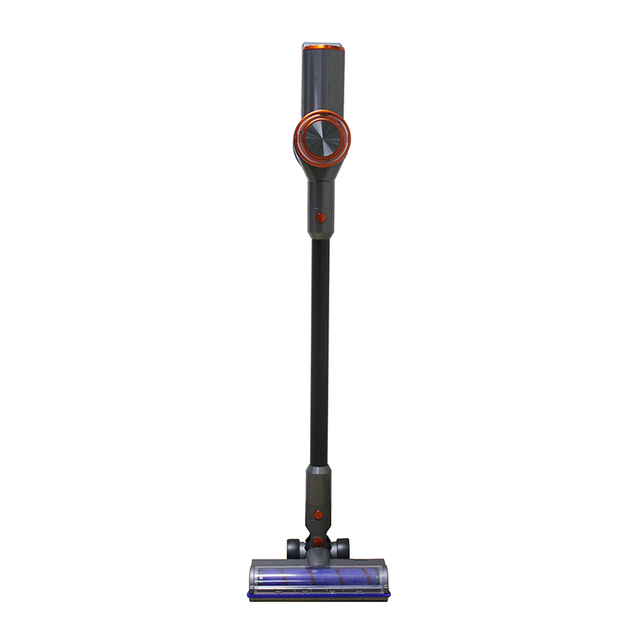
Among the parts of a Dyson vacuum cleaner, the hose, wand, and extension tools provide the flexibility that makes these machines so versatile. They extend cleaning beyond floors, allowing users to reach stairs, furniture, ceilings, and tight corners with ease.
The flexible hose is designed to stretch and bend without losing airflow. It gives you the reach needed for cleaning stairs safely, vacuuming under furniture, or tackling awkward areas like ceiling corners.
For many models, the hose retracts smoothly into the machine when not in use, keeping storage compact. Regular inspection helps prevent cracks or blockages, which can quickly affect suction power.
The wand is the rigid extension that connects to the hose. It integrates into the main body, allowing quick switches between floor cleaning and handheld use.
Most Dyson wands feature a simple release button. Pressing it detaches the wand for extended reach, while the locking mechanism ensures a secure fit when reattached. This design balances convenience with stability, especially when using heavier attachments.
Dyson includes a range of tools that attach to the hose or wand:
● Crevice Tool: Narrow nozzle for corners, baseboards, or between car seats.
● Dusting Brush: Soft bristles for blinds, shelves, and delicate surfaces.
● Mini Motorized Head: Compact powered brush, excellent for upholstery and pet hair removal.
Choosing the right attachment makes cleaning faster and protects surfaces from damage. Many B2B environments, such as hotels or offices, benefit from using these specialized tools for varied cleaning needs.
Power is at the heart of all parts of a Dyson vacuum cleaner, and this section focuses on the motor, battery, and cord systems that keep the machine running. These elements determine cleaning strength, runtime, and overall durability.
Dyson's central motor design varies by model. Cordless units feature the Dyson digital motor, known for compact size and high speed. Upright and cylinder models, on the other hand, use larger motors for extended power.
Efficiency is a key factor. A strong motor keeps suction consistent, even when the dust bin is nearly full. It also supports advanced features like automatic floor sensing and motorized brushbars. Proper airflow pathways ensure the motor avoids overheating.
Cordless Dyson vacuums rely on lithium-ion batteries. Some models use built-in packs, while others feature swappable batteries for extended cleaning sessions.
Battery lifespan depends on charge cycles. Typically, users can expect several years of regular use before replacement is needed. Charging fully before use allows the battery system to "learn" and display accurate runtime estimates.
Heat is another factor. Batteries perform best when stored at room temperature. Extreme cold or heat can shorten their lifespan and reduce efficiency.
For upright models, the power cord remains critical. Cord length determines cleaning range, while cord hooks provide storage and prevent tangles.
Safety is also important. Users should avoid pulling the machine by its cord or trapping it under furniture. Damaged cords must be replaced quickly to prevent electrical risks.
When reviewing the parts of a Dyson vacuum cleaner, airflow pathways and valves deserve special attention. These sections guide suction from the floor to the dust bin while protecting the motor from overheating. Understanding their roles helps maintain peak performance and prevents common breakdowns.
The U-bend and airway inspection valves act as checkpoints in the airflow path. They are designed to be easily accessed by the user, making it simple to check for blockages.
A clog in the U-bend can instantly cut suction. Dyson includes quick-release buttons so users can detach the section, inspect it, and remove debris. Similarly, airway inspection valves allow a peek into hidden passages where dust and hair often gather.
These parts are not just convenient—they are essential for keeping airflow smooth and preventing unnecessary strain on the motor. Regular inspection reduces the risk of overheating caused by restricted suction.
The motor protection valve is a built-in safety feature. When airflow is blocked, the vacuum can overheat quickly. The valve automatically opens to bypass airflow and protect the motor from damage.
While this safeguard prevents permanent failure, it also signals a problem. If the valve activates frequently, it’s a sign of recurring blockages or filter issues. Taking action early avoids costly repairs.
Not all parts of a Dyson vacuum cleaner are standard. Some models include optional accessories designed to solve unique cleaning challenges. These specialized tools extend usability, particularly in homes with pets, cars, or tight spaces.
The low reach floor tool is built for cleaning under furniture and appliances. Its slim profile allows it to glide into areas where the standard head cannot fit.
This tool is especially useful in offices or hospitality settings, where furniture often stays fixed in place. It reduces the need to move heavy items while still removing dust and debris.
The flexi crevice tool targets narrow or awkward spaces. Unlike a rigid nozzle, it bends to access corners behind radiators, car interiors, and vents.
Its flexible design makes it valuable in environments where dust collects in tight gaps, such as shelving units or baseboards. By attaching directly to the hose or wand, it improves reach without losing suction power.
Pet owners benefit from the mini turbine head, which is engineered to lift embedded hair from sofas, car seats, and stairs. The powered brush ensures thorough cleaning without damaging fabric.
Upholstery tools complement the turbine head by offering a gentler option. They remove dust and crumbs from cushions or curtains, maintaining both cleanliness and fabric quality.
Understanding the parts of a Dyson vacuum cleaner goes beyond curiosity. It equips users to handle issues faster, save money, and make smarter choices about replacements. For both households and businesses, this knowledge extends the life of the machine and improves cleaning efficiency.
When suction suddenly drops, knowing where to look matters. Blockages often occur in the hose, U-bend, or airway valves. If you understand each part’s function, you can quickly identify the source.
Instead of guessing, a simple inspection of filters or the brushbar housing may solve the problem within minutes. Faster troubleshooting means less downtime, which is crucial in commercial environments.
Many common issues can be fixed at home without professional service. Washing pre-motor filters, clearing hair from brushbars, or emptying the bin before it overfills are straightforward tasks.
Replacing small parts such as crevice tools, filters, or hoses is far cheaper than servicing the entire unit. These DIY actions protect the motor from strain and delay costly repairs.
Not all failures require buying a new vacuum. Recognizing when only one part needs replacing—such as a worn brushbar, weak battery, or clogged HEPA filter—saves significant money.
Dyson designs many parts to be user-replaceable, reducing waste and extending machine life. Knowing which component is failing also helps avoid unnecessary upgrades.
Benefit | Example Action | Result |
Faster Troubleshooting | Inspect hose or valves for blockages | Quick recovery of suction |
DIY Maintenance | Wash filters, clean brushbars | Lower repair costs, better airflow |
Smarter Replacement Decisions | Swap filter or battery, not the machine | Extended life and reduced expenses |
Understanding the parts of a Dyson vacuum cleaner helps users improve care and extend lifespan. Regular inspection and genuine parts keep machines reliable and efficient. Suzhou SNDVAC Electric Appliance delivers products with advanced design and dependable performance, offering lasting value for households and businesses alike.
A: The key parts of a Dyson vacuum cleaner include the motor, dust canister, cyclone assembly, brushbar, hose, and filters.
A: Filters, as part of the parts of a Dyson vacuum cleaner, trap fine dust and allergens, ensuring cleaner air and protecting the motor.
A: Knowing the parts of a Dyson vacuum cleaner helps with troubleshooting, DIY maintenance, and smarter replacement decisions.
A: Yes, many parts of a Dyson vacuum cleaner such as filters, hoses, and brushbars are user-replaceable to save time and cost.
A: Yes, while core parts of a Dyson vacuum cleaner stay consistent, accessories like the flexi crevice tool or mini turbine head vary across models.


