
- All
- Product Name
- Product Keyword
- Product Model
- Product Summary
- Product Description
- Multi Field Search
Views: 0 Author: Site Editor Publish Time: 2025-09-22 Origin: Site


Have you ever wondered why your Dyson suddenly loses suction or fails to perform as expected? Many of these problems come down to dyson vacuum cleaner parts, which directly affect efficiency, cost savings, and the overall lifespan of your machine. The real challenge for most users is knowing how to identify the right parts, ensure compatibility across models, replace them safely, and maintain them properly. In this complete guide, you'll learn how to recognize essential parts, handle replacements with confidence, and apply simple maintenance tips to keep your Dyson performing at its best.
Understanding dyson vacuum cleaner parts is the first step to keeping your machine efficient and long-lasting. Dyson has become a leader in vacuum technology, and much of its reputation comes from how well its parts are designed. Unlike generic vacuums, Dyson parts are engineered to deliver high suction, adaptability, and long-term durability. By learning how these parts work together, users can make smarter decisions on care, replacement, and upgrades.
Dyson parts are not only functional, they are also highly specialized. Cleaning heads often feature anti-tangle combs or soft rollers for different surfaces. Attachments connect using simple click systems that make switching tools effortless. Filters use advanced HEPA designs to trap allergens, while batteries deliver fade-free power instead of losing strength midway. Each component is built to match Dyson’s patented airflow and motor systems, ensuring consistent performance.
Dyson vacuums rely on a few critical part groups that work together:
● Cleaning Heads: Options like soft rollers for hard floors, or high-torque brushes for deep carpets.
● Attachments: Tools such as crevice nozzles, dusting brushes, and hair screw tools that handle specific jobs.
● Filters: Washable HEPA filters that capture fine dust and allergens.
● Batteries: Rechargeable lithium-ion packs that power cordless models.
● Body Components: Structural parts like the main housing, dustbin, or wand that keep the unit stable.
These categories cover both high-contact parts that wear quickly and long-term components that need periodic care.
When replacing dyson vacuum cleaner parts, buyers often face a choice between original equipment manufacturer (OEM) and third-party options. OEM parts are guaranteed to fit and protect your warranty, but they may be costly. Third-party parts can be more affordable and sometimes offer higher capacity batteries or custom accessories. However, they carry risks, such as voiding warranties or causing performance issues if not designed correctly.
Part Type | OEM Benefits | Third-Party Benefits | Risks of Third-Party |
Cleaning Heads | Perfect fit, strong suction | Lower cost, wider styles | May reduce cleaning efficiency |
Batteries | Warranty-safe, stable runtime | Higher capacity, budget-friendly | Can overheat, void warranty |
Filters | Tested for allergen capture | Affordable multipacks | May clog faster, lower lifespan |
Body Components | Exact design match | Cheaper replacement shells | Loose fit, poor durability |
Choosing wisely depends on budget, model, and whether your vacuum is still under warranty.
Finding the right dyson vacuum cleaner parts can be tricky, especially when models look similar but use different systems. Identification is key for both everyday users and businesses managing multiple machines. A small mismatch in connectors or power requirements can cause weak suction, damaged motors, or wasted money. This section gives you practical ways to identify parts accurately and avoid common mistakes.
Dyson organizes most cordless vacuums into V-series generations. Each generation introduces design changes that affect compatibility:
● V6: Uses the older gray button system. No cross-compatibility with later models.
● V7 and V8: Both use the red button system and share most tools.
● V10 and V11: Interchangeable for most heads and accessories but require stronger motors.
● V15 and Gen5detect: Designed for advanced attachments, including laser heads and high-torque brushes.
Knowing your model number is the first step. It is usually printed on the main body near the dustbin or battery.
Dyson vacuums mainly use two connector systems:
● Gray Button (V6 and some uprights): Older locking design, not interchangeable with later sticks.
● Red Button (V7 and newer cordless, some canisters): Standard quick-release system, easy to switch between tools.
When upgrading from a V6 to a newer model, you will need adapters to reuse older accessories.
Dyson often makes visual changes that help with part recognition:
● Color codes: Red buttons signal quick-release tools, while gray signals legacy parts.
● Shape and size: Outsize models have extra-wide cleaning heads.
● Attachment design: Laser slim rollers look thinner than standard soft rollers.
By comparing these cues, you can avoid buying incompatible parts.
Compatibility depends on vacuum type:
● Cordless V7–V15: Most interchangeable, but higher-end heads may underperform on lower-end motors.
● Uprights: Share accessories within upright families, but not with cordless.
● Canisters: Use a larger wand tube, making them incompatible with V-series sticks.
Vacuum Type | Compatible Families | Not Compatible |
V7–V15 Cordless | Mostly interchangeable | V6, Uprights, Canisters |
Uprights | Other Uprights | Cordless, Canisters |
Canisters | Other Canisters | Cordless, Uprights |
Each Dyson part comes with an identifying number.
● Serial numbers: Found on the main vacuum body, usually near the battery slot.
● Part numbers: Printed on labels or molded into the plastic of cleaning heads, filters, and bins.
When ordering replacements, always use these numbers to ensure compatibility.
Mistakes happen because many parts look alike. Examples include:
● Confusing a direct-drive head from a V8 with a torque drive head from a V10.
● Assuming all soft roller brushes fit every cordless model.
● Buying filters labeled "Dyson compatible" without checking the series.
Double-check connector color, part number, and model before purchase.
Adapters allow you to connect older tools to newer vacuums or vice versa. They are especially helpful for:
● Reusing V6 attachments on V7–V15 models.
● Attaching smaller accessories to larger extension wands.
However, adapters are best for passive tools like crevice nozzles and dusting brushes. Powered heads may lose efficiency or strain the motor.
Note: For service centers or retailers, keeping a reference chart of Dyson connector types by year can reduce customer errors and returns.
Replacing dyson vacuum cleaner parts is a normal part of keeping your machine running at peak performance. Some swaps, like filters or brush heads, are quick and easy. Others, like housing or motor-related parts, require more care. This section gives you the tools, steps, and decision points you need to handle replacements with confidence.
Before replacing any part, gather the right tools. A Phillips screwdriver, flat pry tool, and clean workspace are usually enough. Always remove the battery first to avoid electric shock. Handle filters and electronic parts gently, and never force pieces into place. If you’re dealing with wires or motor housing, take photos during disassembly to remember their correct positions.
● Filters: Remove the old filter by twisting it out, wash or replace, and let it dry fully before reinstalling.
● Batteries: Slide out the battery using the release clip, then align and click the new one securely.
● Cleaning Heads: Press the red release button, remove the old head, and attach the new one until you hear a click.
These are the most common replacements and usually take less than 10 minutes.
Replacing the main body housing is more complex. It involves separating the casing, disconnecting wires, and transferring the motor assembly to the new housing. Each screw must go back into the correct slot to ensure a tight fit. If a part doesn’t align easily, recheck your steps instead of forcing it. This type of replacement restores structure but should be done only when cracks or damage interfere with function.
Not all repairs are suitable for DIY. If the motor produces unusual noise, if electronic connections fail, or if the part involves high-voltage components, a service center is safer. Professional repairs protect warranties and ensure specialized parts are fitted correctly. DIY is best for filters, batteries, bins, and most external parts.
Regular care of dyson vacuum cleaner parts is the best way to extend the life of your machine. Neglect can cause reduced suction, clogged airflow, or even early battery failure. By cleaning and maintaining each component on schedule, you save money and keep performance steady.
The dustbin should be emptied after each use. Wipe it with a damp cloth to prevent odor and buildup. Hoses and wands may collect hair and debris, so inspect them monthly. A flexible brush or compressed air can clear blockages. Make sure parts are completely dry before reattaching, since trapped moisture can damage seals.
Dyson filters trap fine dust and allergens, but clogged filters weaken airflow. Most filters are washable—rinse under cold water until clear and let them air-dry for 24 hours. Never reinstall a damp filter, as this risks mold growth. HEPA filters may need replacement every 12–18 months depending on use. A fresh filter not only improves suction but also keeps air quality higher.
Brush rolls gather hair, string, and fibers over time. Detach the head and cut away wrapped strands with scissors. Some newer models include anti-tangle combs, but long hair may still wrap. Inspect rollers monthly and clean bearings to prevent strain on the motor. For soft rollers, wash gently with water and allow them to dry fully before use.
Batteries are one of the most expensive dyson vacuum cleaner parts. To extend lifespan, avoid letting them fully drain every time. Partial charging is better for lithium-ion packs. Keep the vacuum stored in a cool, dry area, since heat shortens battery life. If runtime drops sharply, it may be time for a replacement. Third-party batteries can offer longer run times, but always confirm compatibility.
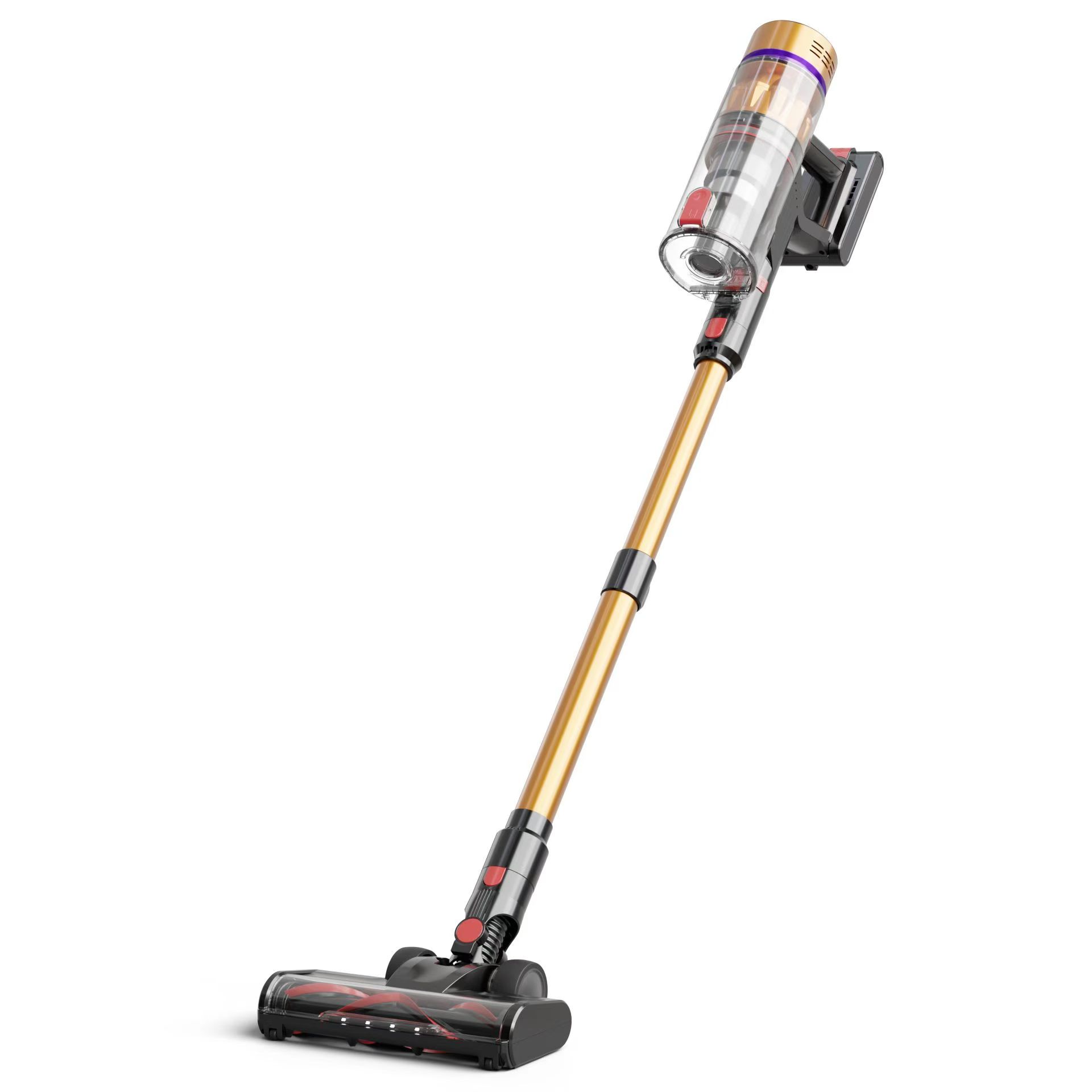
Not all dyson vacuum cleaner parts are interchangeable, and knowing which ones fit can save time and money. Compatibility depends on model type, connector system, and power requirements. This section explains what works together, when upgrades are safe, and where caution is needed.
Dyson's V-series cordless vacuums (V7–V15) generally share attachments thanks to the red quick-release button. However, V6 models use a gray button system, making them incompatible without adapters. Upright and canister vacuums have their own systems, so they don’t connect to stick vacuum tools. A good rule: stick to one generation apart when swapping parts to avoid weak performance.
It's usually safe to use older accessories, like a V7 soft roller, on newer machines such as the V10. The stronger motor can handle the load. The opposite—using newer, high-demand heads on older vacuums—often causes poor performance or overheating. For example, a V11 Outsize head may overwhelm a V7 motor. Always check power requirements before attaching.
Third-party parts are popular because they can be cheaper and offer custom features, like extended-life batteries or storage stands. Still, they carry risks:
● Pros: Cost savings, unique designs, wider availability.
● Cons: Possible fit issues, reduced suction, shorter lifespan.
● Warranty risks: Using non-OEM parts may void Dyson’s warranty.
Buyers should confirm model compatibility and weigh warranty value against cost savings.
Each Dyson vacuum type has its own ecosystem:
● Stick vacuums (V7–V15): Lightweight, red-button system, broad accessory support.
● Uprights: Heavier, larger cleaning heads, gray-style locks, limited interchangeability.
● Canisters: Larger tubing, different connector size, parts only fit within canister families.
Even the best dyson vacuum cleaner parts can wear out or fail over time. Knowing how to troubleshoot common issues helps restore performance quickly and avoids unnecessary service costs. This section covers the most frequent part-related problems and what you can do about them.
Weak suction often points to a clogged filter, blocked hose, or broken seal. Wash filters monthly and let them dry fully. Check hoses for hidden blockages using a long brush or compressed air. Inspect seals on the dustbin and cyclone—if cracked, they may need replacement.
A brush roll that stops spinning usually has hair wrapped around it. Cut tangles carefully with scissors. If the belt looks stretched or frayed, replace it to restore rotation. For persistent stoppage, the motor inside the head may be failing, and a new head is often the easiest solution.
If runtime drops to just a few minutes, the battery is likely near the end of its life cycle. Replacing it is simple: slide the old one out and click in the new unit. OEM batteries protect warranty coverage, while third-party versions may extend runtime but carry more risk.
When the bin or housing doesn't snap into place, check for misalignment, cracked latches, or debris buildup around the edges. Cleaning the contacts often solves the issue. If parts are damaged, replacing the housing is usually the most reliable fix.
Purchasing the right dyson vacuum cleaner parts ensures your machine runs as designed and avoids costly breakdowns. While there are many options on the market, choosing the correct source and avoiding low-quality parts is key for long-term reliability.
The safest way to buy genuine parts is through Dyson’s official store or authorized dealers. These parts are tested for compatibility and performance. Buying directly also protects your warranty and provides access to customer support if the part fails.
Aftermarket sellers often offer lower-cost filters, batteries, or attachments. Some are high quality, while others are poorly made. Look for sellers with clear product labeling, positive reviews, and model-specific compatibility charts. Always confirm part numbers before purchase.
Counterfeit parts can look almost identical but may harm your vacuum. Warning signs include:
● Missing or blurry Dyson logos.
● Prices far below market value.
● Poor packaging or no compatibility details.
● Parts that feel lighter or less sturdy than OEM.
If in doubt, avoid deals that seem too good to be true.
Genuine parts may cost more, but they provide longer life, proper fit, and warranty safety. Third-party parts can save money in the short term, especially for older models out of warranty. The right choice depends on how often the vacuum is used and whether long-term reliability is more important than upfront savings.
Proper care of dyson vacuum cleaner parts ensures strong performance and longer lifespan. Correct identification, safe replacement, and regular maintenance save time and money. Treating parts as an investment improves reliability and extends machine value. Always check your model, inspect parts often, and maintain consistently. Suzhou SNDVAC Electric Appliance provides innovative solutions with durable design and reliable service, offering long-term value for both households and businesses.
A: Dyson vacuum cleaner parts include filters, batteries, cleaning heads, and attachments that keep the vacuum running smoothly.
A: Check the model number and connector system; this ensures you choose compatible dyson vacuum cleaner parts.
A: Yes, but OEM dyson vacuum cleaner parts are safer for performance and warranty protection.
A: Wash monthly and replace every 12–18 months for clean airflow and efficient suction.
A: Regular care of dyson vacuum cleaner parts prevents clogs, extends battery life, and saves on costly repairs.


