
- All
- Product Name
- Product Keyword
- Product Model
- Product Summary
- Product Description
- Multi Field Search
Views: 0 Author: Site Editor Publish Time: 2025-10-14 Origin: Site


Many Dyson vacuums lose power if parts wear. Ignoring faulty components risks suction loss, overheating, and costly motor damage. This guide shows essential parts for a dyson vacuum cleaner, when to replace them, and where to buy genuine replacements for lasting performance.
When it comes to long-term performance, knowing the essential parts for a Dyson vacuum cleaner makes a huge difference. Each component plays a role in suction strength, filtration, and safety. If any part fails, even the most advanced model can lose efficiency. Below are the critical parts to check, replace, and maintain based on the guidance often found in a Dyson vacuum cleaner manual.
Filters protect the motor and trap microscopic allergens. Pre-motor filters prevent dust from reaching the engine, while HEPA post-motor filters capture particles before the air is released back into the room. According to most Dyson vacuum cleaner manual instructions, filters should be cleaned every 1–3 months and replaced every 3–6 months depending on usage. If suction drops or odors appear, it’s a clear sign the filter needs replacement.
Brush bars are vital for carpets and rugs. They use stiff bristles and rotating action to lift hair, crumbs, and dirt. Over time, bristles get tangled or worn, reducing cleaning power. Loud “ratcheting” noises are another warning that the brush bar or soleplate needs attention. A damaged soleplate can scratch delicate floors and should be swapped immediately.
Dyson’s cyclone technology separates fine dust from airflow. The dust bin then holds debris until it’s emptied. Cracks in the bin or persistent blockages inside the cyclone mean the part should be replaced. A clean and intact cyclone assembly ensures consistent suction. Always check the dust bin seal to prevent leaks that reduce efficiency.
Cordless Dyson vacuums rely on lithium-ion batteries. Their average lifespan is 2–4 years before performance fades. Signs include reduced runtime, long charging times, or sudden shutdowns. A faulty charger can also mimic battery issues. Using a genuine replacement ensures safe charging and full runtime. Cheap copies can overheat and damage the vacuum.
Hoses and wands often face blockages from hair, toys, or lint. Cracks or leaks reduce suction significantly. These parts are easy to replace and restore airflow quickly. If you notice the vacuum pulling back unusually or suction dropping only through the hose, it’s time for a replacement.
Frayed cords or loose switches are safety hazards. They can cause shocks, sparks, or sudden shutdowns. Because electrical repairs require skill, it’s best to let certified technicians handle cord or switch replacements. A Dyson vacuum cleaner manual will usually advise against DIY fixes for these parts.
Part | Function | When to Replace | Warning Signs |
Pre-Motor / HEPA Filters | Captures dust and allergens | Every 3–6 months | Weak suction, odors, dirty filter |
Brush Bars & Soleplates | Cleans carpets and rugs | 12–18 months (varies) | Tangled bristles, loud noises |
Cyclone & Dust Bin | Separates and stores dirt | As needed | Cracks, blockages, poor seal |
Batteries & Chargers | Powers cordless vacuums | 2–4 years | Short runtime, charging issues |
Hoses & Wands | Direct airflow and suction | As needed | Cracks, leaks, blockages |
Power Cords & Switches | Deliver power and control | As needed | Frayed cord, loose switch, sparking |
Knowing when to replace parts for a Dyson vacuum cleaner can save you money and prevent bigger failures. If you ignore early warning signs, the motor, battery, or cord may suffer permanent damage. Below are the most common signals that indicate it’s time for action, as highlighted in several Dyson vacuum cleaner manual guides.
A sudden drop in suction usually points to clogged filters or a worn brush bar. If cleaning the filters and clearing blockages does not solve the issue, the filter or cyclone assembly likely needs replacement. Consistent weak airflow is also a sign of small leaks in the hose or dust bin seals.
Many Dyson vacuums shut down when they overheat. This feature protects the motor from damage. If your machine turns off frequently, check for blockages first. If airflow is clear but the problem continues, the battery or motor may be failing and require replacement.
Unusual rattles or vibrations suggest loose or damaged brush bars. A high-pitched whine often points to worn bearings in the motor. A burning smell signals electrical issues or overheating belts. These parts should be replaced immediately to avoid hazards.
Visible cracks, holes, or frayed wires mean the part is no longer safe. A damaged dust bin will not seal correctly, reducing suction. A split hose leaks air, and a worn cord poses electrical risks. The Dyson vacuum cleaner manual usually advises replacing these parts rather than repairing them.
When replacing parts for a Dyson vacuum cleaner, the choice between genuine and aftermarket components matters. While aftermarket options often seem cheaper, genuine Dyson parts deliver reliability, safety, and long-term savings. Dyson manuals consistently recommend genuine replacements to keep performance and warranty intact.
Original Dyson parts are engineered to fit each model precisely. They maintain suction power, ensure seals remain tight, and prevent unnecessary motor strain. Using genuine replacements also preserves warranty coverage. Many Dyson vacuum cleaner manual guides state that non-approved parts can void warranty protection.
Aftermarket parts can be tempting due to low cost, but they often lack quality control. Poor fit leads to air leaks and weak suction. Brushes may wear out faster, and third-party batteries can overheat. In some cases, imitation parts damage the vacuum permanently. That risk outweighs short-term savings.
Although genuine Dyson parts cost more upfront, they last longer and protect the machine. A real filter may work efficiently for months, while a copy clogs in weeks. A certified Dyson battery can run safely for years, unlike cheaper versions that lose charge quickly. Investing in genuine parts reduces downtime and repeated purchases.
Finding reliable sources for parts for a Dyson vacuum cleaner ensures your machine runs smoothly and safely. The right channel protects performance, warranty, and long-term value. Below are the most trusted options, along with places you should avoid.
The Dyson website and official service centers are the safest options. Genuine filters, brush bars, bins, and batteries are available directly from the brand. The Dyson vacuum cleaner manual often refers owners to these channels for warranty-safe purchases. Service centers also provide professional installation for parts like cords or motors.
Many large retailers stock authentic Dyson components. Platforms like Amazon and eSpares list official spares, including filters and chargers. Appliance stores often carry common parts such as hoses or floor heads. Always check that the product page notes "genuine Dyson part" to avoid imitation spares.
Independent repair shops provide fast solutions, especially for urgent part replacements. They may keep hoses, wands, or brush bars in stock. While convenient, it's essential to verify whether the parts are genuine. Ask for receipts or packaging details to confirm authenticity.
Cheap offers from unknown online shops or auction sites carry risks. Poor-quality parts can leak air, wear out quickly, or damage the motor. In some cases, using imitation spares voids your warranty. If a price seems far below average, it is likely not genuine.
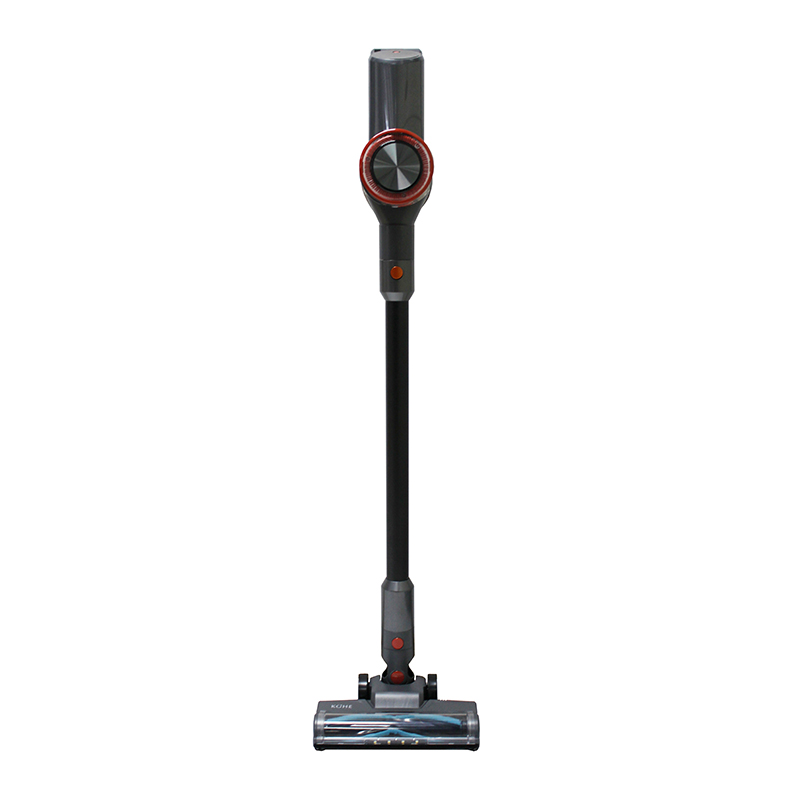
Replacing parts for a Dyson vacuum cleaner should always be safe, precise, and aligned with the manufacturer’s guidelines. Doing it right protects you from hazards and ensures the vacuum runs at peak performance. Here are practical steps based on best practices often highlighted in a Dyson vacuum cleaner manual.
Safety comes first. Always switch off the machine and unplug it from the outlet before handling any internal or external part. This prevents shocks and accidental motor starts. Even for cordless models, remove the battery pack before attempting a replacement.
Dyson makes multiple series, and each has unique designs. Check the label or user manual to confirm your model number before ordering. Using the wrong filter, brush bar, or bin can reduce suction and may damage seals. Retailers often list part compatibility online—verify before purchase.
Many parts, such as cyclone units or brush bars, require specific alignment. A Dyson vacuum cleaner manual provides step-by-step guidance. Alternatively, official video tutorials demonstrate proper assembly. Skipping these instructions increases the risk of poor fit, weak airflow, or accidental damage.
Do not toss used filters or batteries in household trash. Batteries, in particular, need proper recycling to avoid environmental harm. Many retailers and service centers provide return bins for these items. Plastic bins and hoses should also be recycled where facilities exist.
Step | Why It Matters | Action to Take |
Unplug or remove battery | Prevents electric shock | Always power down first |
Verify model number | Ensures part compatibility | Cross-check on Dyson website |
Follow manual or video | Avoids poor fit or leaks | Use official instructions |
Recycle old parts | Protects environment and safety | Use approved recycling centers |
Understanding the cost and timing for parts for a Dyson vacuum cleaner helps you budget and avoid unexpected downtime. While the Dyson vacuum cleaner manual offers guidance on maintenance, replacement decisions often come down to price and wear patterns.
Most filters are affordable, usually ranging from $15–$30 depending on the model. Brush bars and soleplates cost a bit more, around $20–$60. Batteries are the most expensive consumable, often priced between $65–$120. Chargers, bins, and hoses fall in the mid-range, usually $25–$50. Prices vary slightly across regions and retailers.
● Filters: 3–6 months, depending on dust levels and cleaning frequency.
● Brush Bars: 12–18 months before bristles wear or tangling reduces efficiency.
● Batteries: 2–4 years of normal use before runtime shortens.
● Hoses/Wands: Can last several years but may crack under stress.
● Cords/Switches: Long-lasting if handled gently, but damage requires immediate replacement.
Frequent cleaning and correct use extend lifespan. The Dyson vacuum cleaner manual emphasizes regular filter washing to avoid early replacement.
If a filter or brush bar is worn, replacement is more cost-effective than repair. For batteries, replacing makes sense if the vacuum is less than five years old. However, if the motor or multiple expensive parts fail at once, repair costs may exceed the value of buying a new unit. A simple rule: if total part costs exceed 50% of a new Dyson model, consider replacement instead of repair.
Preventive care reduces costs and extends the lifespan of parts for a Dyson vacuum cleaner. By following simple steps from a Dyson vacuum cleaner manual, users can keep airflow strong, reduce wear, and avoid frequent part replacements.
Filters clog quickly when used on dusty floors or pet-heavy homes. Wash them under cold water every 1–3 months until clear. Let them dry for at least 24 hours before reinserting. Empty the dust bin once it reaches the max line. Overfilling strains the cyclone and reduces suction.
Hair, threads, and lint wrap around brush bars and block hoses. If left unchecked, they cause noisy operation and overheating. Remove the soleplate to access the brush bar, then cut tangled hair carefully. For hoses, detach them and clear blockages with a flexible brush or compressed air.
Cordless models depend on lithium-ion batteries. To extend lifespan, avoid leaving the vacuum fully discharged for long periods. Store it at room temperature, not in hot garages or cold sheds. Charge only with genuine Dyson chargers, as specified in the Dyson vacuum cleaner manual, to prevent overheating or reduced runtime.
A monthly check helps catch problems early. Look for cracks in hoses, worn bristles on the brush bar, and frayed cords. Ensure bin seals are tight, and filters are clean. Test suction at the wand and floor head to confirm airflow is strong.
Task | Frequency | Benefit |
Wash filters | Every 1–3 months | Restores airflow, reduces wear |
Empty dust bin | Every use | Prevents strain on cyclone |
Clean brush bar and hoses | Monthly | Avoids noise and overheating |
Check battery and charging | Monthly | Maintains runtime, prevents damage |
Inspect cords and seals | Monthly | Enhances safety and suction |
Note: For service providers, offering scheduled maintenance packages can build long-term client relationships and reduce warranty claims.
Essential parts for a Dyson vacuum cleaner include filters, brush bars, cyclone bins, hoses, cords, and batteries. Genuine replacements and timely maintenance protect suction, safety, and long-term value. Suzhou SNDVAC Electric Appliance provides reliable products with unique performance advantages, helping users extend machine life. Check your Dyson today, identify worn parts, and choose trusted suppliers for consistent quality and service.
A: The essential parts for a Dyson vacuum cleaner include filters, brush bars, cyclone bins, hoses, cords, and batteries.
A: Filters typically last 3–6 months, brush bars 12–18 months, and batteries 2–4 years, depending on use.
A: You can buy genuine parts for a Dyson vacuum cleaner from Dyson’s official website, authorized retailers, or trusted repair shops.
A: Yes, genuine parts for a Dyson vacuum cleaner fit properly, protect the warranty, and last longer than most aftermarket options.


