
- All
- Product Name
- Product Keyword
- Product Model
- Product Summary
- Product Description
- Multi Field Search
Views: 0 Author: Site Editor Publish Time: 2025-09-30 Origin: Site


Is your Dyson losing power or suction? The dyson vacuum cleaner hose often hides the problem. Blockages, cracks, or leaks can disrupt cleaning performance. In this guide, you'll learn troubleshooting steps, replacement choices, and simple maintenance tips to keep your vacuum running smoothly.
The dyson vacuum cleaner hose is central to airflow and suction. When it develops issues, cleaning efficiency drops quickly. Most problems come from blockages, wear, or poor connections. Below are the most frequent challenges users face and how to identify them.
Hose blockages are the number one reason suction weakens. Dirt, pet hair, or small items can lodge inside. A blocked hose makes the motor work harder and may cause overheating. To test for a clog, detach the hose and run water or shine a light through it. If light or water cannot pass, there is an obstruction.
Even small cracks reduce suction because air escapes. Over time, bending and pulling weaken the hose material. Inspect the length of the hose for visible tears or soft spots. If air leaks are confirmed, sealing tape may provide a short fix, but full replacement is usually required for long-term performance.
Sometimes the hose separates from its connection points. Loose fittings reduce airflow and interrupt suction. This often happens if the locking mechanism wears out. Check that the hose clicks securely into both the wand and the cleaner head. If the connection feels unstable, the fittings or hose end may need replacing.
Not every issue can be patched. If the hose is brittle, collapsing, or has multiple leaks, replacement is the only reliable solution. Other warning signs include constant loss of suction despite cleaning or difficulty attaching the hose to the vacuum body. Investing in a new hose restores suction and prevents motor strain.
Problem | Likely Cause | Recommended Action |
Weak suction | Blockage inside hose | Detach and clear obstruction |
Air escaping | Cracks or tears | Replace hose to restore airflow |
Hose keeps falling off | Loose connector | Inspect and replace connector end |
Frequent clogging | Build-up of hair/dust | Clean regularly and inspect for damage |
Blockages are the most common reason a dyson vacuum cleaner hose stops working properly. Even small clogs affect airflow, reduce suction, and may force the motor to overheat. The following steps explain how to identify, clear, and prevent hose blockages while protecting the vacuum.
The first sign is weak or uneven suction. Another clue is when the vacuum makes a louder noise than usual but picks up little debris. To confirm, detach the hose and look through it. A clear hose should allow light to pass end to end. If light is blocked, so is the airflow. Running a soft ball or flexible rod through the hose can also reveal obstructions.
Never use sharp objects, as they can puncture the hose lining. Instead, use:
● A long, flexible brush made for vacuums
● A soft broom handle wrapped with cloth
● Compressed air from a canister
● Warm water rinse (only if the hose is washable)
These tools dislodge debris without cutting or stretching the material.
1. Unplug the vacuum for safety.
2. Detach the hose completely.
3. Hold it vertically and shake loose dust or crumbs.
4. Insert a brush or rod gently to push out clogs.
5. For sticky dirt, rinse with warm water and mild soap.
6. Allow the hose to dry fully before reconnecting.
Following this order reduces mess and avoids spreading dirt back into the vacuum.
It's tempting to push harder when a clog resists, but this can split the hose wall. Work slowly and rotate the tool rather than forcing it straight. Avoid hot water, which may weaken plastic hoses. For Dyson ball or cordless models, ensure the hose is fully dry to prevent internal moisture damage.
Reattach the hose and turn on the vacuum. Test suction by placing a hand over the wand end. If suction is strong and steady, the blockage is cleared. If suction is still weak, inspect the bin, filters, and cleaner head to rule out secondary problems.
Some clogs are too deep or stubborn for DIY methods. If the hose is collapsing under suction or you suspect damage inside the lining, professional cleaning or full replacement is best. Service centers have inspection cameras and tools that reach clogs without breaking the hose.
Step | Action | Expected Result |
1 | Detach hose | Isolate the clog |
2 | Inspect with light | Confirm blockage |
3 | Use safe tools | Push or pull out debris |
4 | Rinse and dry | Remove sticky residue |
5 | Reattach and test | Restore full suction |
Note: For commercial cleaning suppliers, offering pre-checked spare hoses helps customers reduce downtime from blocked vacuums.
When a dyson vacuum cleaner hose is too damaged to repair, finding the right replacement becomes essential. Choosing between genuine and aftermarket parts, checking compatibility, and weighing cost all affect the final decision.
Genuine hoses come directly from Dyson and ensure a perfect fit. They are designed to match the exact suction requirements of each model. The downside is higher pricing and limited stock for older models.
Aftermarket hoses are cheaper and often easier to find. Quality varies widely, though. Some match genuine performance, while others may leak air or wear faster. Always check reviews and specifications before buying aftermarket parts.
Not every hose works for every Dyson. Start by checking the vacuum’s model number, usually printed near the base or bin. Match that number against hose part codes online. For cordless models, look for hoses specific to stick versions. Upright and cylinder vacuums require longer hoses, while compact models use shorter versions. Using an incompatible hose can reduce suction or strain connectors.
Sometimes repairing a hose with sealant tape is enough for small cracks. This can extend use temporarily but often reduces efficiency. Replacement is better for larger splits or frequent leaks. On average, a genuine Dyson hose costs more than an aftermarket one (price ranges vary, needs verification). For long-term reliability, replacement usually offers better value than repeated patch repairs.
Replacement hoses are available both online and in physical stores. Common sources include:
● Dyson's official website (best for genuine parts)
● Large e-commerce platforms (Amazon, eBay)
● Specialized vacuum repair shops
● Local appliance stores with spare parts counters
Online shopping offers variety and lower cost, while retail stores give you the chance to confirm compatibility before buying.
Option | Pros | Cons |
Genuine Dyson hose | Perfect fit, durable, warranty-friendly | Expensive, limited stock for older models |
Aftermarket hose | Lower price, widely available | Quality inconsistent, may leak air |
DIY repair (tape/patch) | Cheapest short-term fix | Temporary, reduces suction |
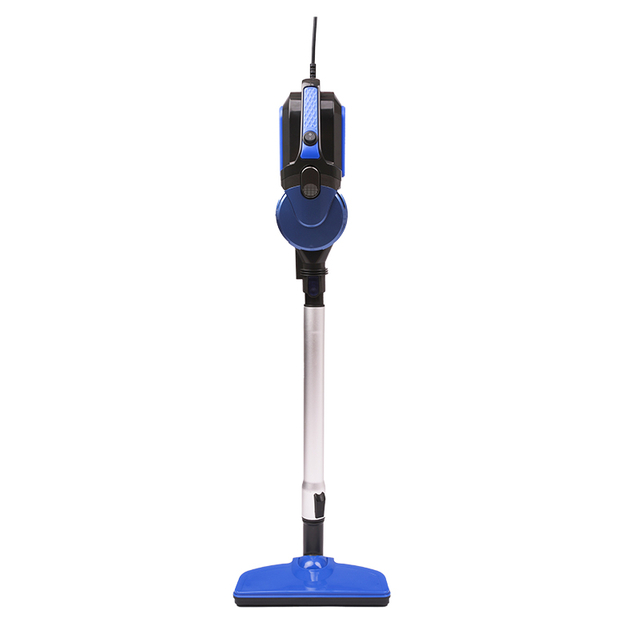
Replacing a dyson vacuum cleaner hose is simpler than many expect. With the right tools and careful steps, you can restore suction and extend the vacuum's life. This section walks you through preparation, removal, installation, and testing.
Before starting, unplug the vacuum. Gather these tools:
● A screwdriver (if your model requires one)
● A clean cloth for dust removal
● Replacement hose (genuine or compatible aftermarket)
Place the vacuum on a flat surface. Make sure you have good lighting so you can see clips and connection points clearly.
Locate the release button or clip near the wand or main body. Press or slide it to unlock the hose. Gently pull the hose free, avoiding twists that may damage connectors. If dirt spills out, wipe the area clean before proceeding. Some upright models have two locking points, so check both ends before removing fully.
Align the new hose with the connection ports. Push until you hear a “click” or feel it lock in place. Ensure both ends fit tightly, as even a small gap can reduce suction. Avoid forcing the hose at an angle—it should slide in smoothly. For flexible hoses, extend and retract them once to confirm movement.
Reattach the wand or cleaner head. Turn on the vacuum and check suction strength. Run the hose over a flat surface to confirm it maintains airflow. If the hose disconnects easily or feels loose, remove and reinstall until secure. Testing both suction and stability ensures long-term performance.
A well-cared-for dyson vacuum cleaner hose lasts longer and performs better. Simple habits like cleaning, storing correctly, and pairing hose care with other vacuum maintenance make a noticeable difference.
Dust, hair, and small debris often build inside the hose. Over time, this slows airflow and stresses the motor. Detach the hose monthly and shake out loose dirt. Use a soft brush or compressed air for stubborn dust. For washable hoses, rinse with mild soap and let them dry fully before reattaching.
Hoses bend and flex constantly, but sharp angles or heavy pressure can weaken them. Always coil the hose loosely rather than folding it. Store the vacuum in a dry place, away from direct sunlight or extreme cold. These conditions prevent cracks, brittleness, and early hose failure.
Inspect the hose regularly for small tears, soft spots, or loose connectors. Reduced suction or whistling sounds often indicate air leaks. If repairs become frequent, consider replacing the hose to protect the vacuum motor. Quick attention to early signs saves costly fixes later.
A hose works best when paired with clean filters and an empty bin. Blockages in one area quickly affect the other. Wash filters as directed, and empty the bin before it gets half full. This balanced care routine improves airflow, reduces overheating, and maximizes suction.
Sometimes a dyson vacuum cleaner hose is not the only part affecting performance. Filters, bins, and even the motor can create similar problems. Learning how to separate hose issues from other faults helps avoid wasted repairs.
A clogged filter often feels like a blocked hose because suction weakens. The difference is airflow—if the hose is clear but suction is still weak, check the filter. Wash or replace it if dirty. A full or cracked bin also disrupts suction. Empty it after every use and check seals for air leaks.
If suction drops even with a clean dyson vacuum cleaner hose, other areas may be to blame.
● Motor strain can limit suction power.
● A jammed brush bar prevents proper pickup.
● Electrical faults may cut off power mid-use.
In these cases, replacing the hose won't fix the issue. Testing the vacuum without the hose can help confirm whether the problem lies elsewhere.
Technicians use step-by-step checks to isolate faults. They inspect hoses for leaks, then test suction directly at the vacuum inlet. If suction is weak at the inlet, the issue is likely motor-related. Advanced service centers also use airflow meters and diagnostic software to confirm results. This approach prevents unnecessary part replacements and extends the vacuum’s lifespan.
A dyson vacuum cleaner hose can usually be repaired for small issues, but major damage requires replacement. Knowing when to patch and when to invest in a new hose helps save time and money.
Tiny cracks or pinholes often appear from bending and wear. These can be sealed using duct tape or a hose repair kit. While this fix restores airflow for a short time, it rarely lasts under heavy use. If cracks spread or suction loss returns quickly, the hose should be replaced. Temporary sealing works best when you need a quick solution before a permanent fix.
Repairing with tape costs almost nothing, but efficiency drops. A new hose requires a higher upfront cost but saves future effort. Replacing a hose usually takes less than 10 minutes if you have the right part. For older models, sourcing the correct hose may take longer and cost more. Consider both part price and downtime when deciding.
A new hose restores full suction, reduces motor strain, and extends the life of the vacuum. It also eliminates the frustration of repeated patch repairs. Genuine hoses offer maximum durability, while quality aftermarket options provide budget-friendly performance. In the long run, replacement ensures cleaning efficiency and prevents damage to connected parts like the wand and cleaner head.
A clean and intact dyson vacuum cleaner hose keeps suction strong and cleaning efficient. Regular inspection and simple maintenance prevent costly problems. While small cracks may allow for DIY fixes, professional support ensures long-term reliability. Suzhou SNDVAC Electric Appliance provides durable products and trusted service, delivering value through reliable design and performance.
A: Blockages, cracks, or air leaks in the dyson vacuum cleaner hose often reduce suction and efficiency.
A: Detach the dyson vacuum cleaner hose, use a flexible brush or compressed air, and ensure it dries fully before reuse.
A: Replace the dyson vacuum cleaner hose if cracks spread, suction loss persists, or fittings no longer lock securely.
A: Genuine hoses fit perfectly and last longer, while aftermarket dyson vacuum cleaner hose options are cheaper but vary in quality.
A: The price of a dyson vacuum cleaner hose depends on the model, with genuine hoses usually costing more than aftermarket versions.


